



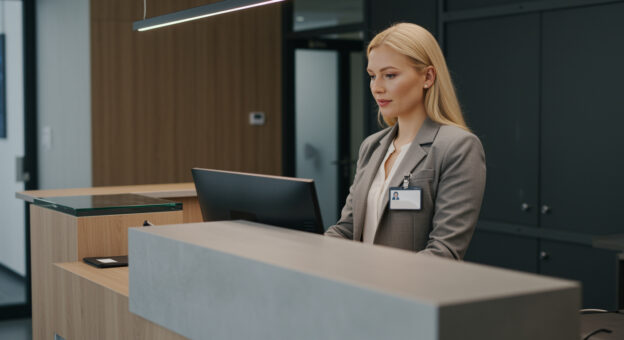
In 2026, first impressions matter more than ever — but so does security. Whether it’s a luxury hotel welcoming international guests or a corporate office hosting clients and staff, the reception area is no longer just a front desk. It is the first point of contact, the centre of operations, and the first line of defence.
Reception spaces are among the busiest and most vulnerable areas within any building. They manage constant footfall, sensitive information, deliveries and access control, all while maintaining a professional and welcoming environment. This makes hotel and office reception security services essential for modern organisations.
To explore tailored reception security solutions, visit: https://www.alltimesecurity.co.uk/services/hotel-office-reception-security.html
Why Reception Security Is More Important Than Ever
Reception areas are often underestimated when it comes to risk. Because they are open, visible and frequently monitored, many organisations assume they are inherently safe. However, the opposite is often true.
Reception is where unauthorised access is most likely to occur. It is where visitors, contractors and members of the public first enter a building, making it a key point of vulnerability. According to industry insights, reception spaces act as the primary entry point for potential security breaches, highlighting the need for dedicated protection.
At the same time, reception teams are focused on customer service, not security enforcement. This creates a gap that professional reception security services are designed to fill.
What Is Reception Security?
Reception security is a specialised service that combines front-of-house duties with professional security responsibilities. It is often referred to as concierge security, where trained personnel manage both customer interaction and building protection.
This hybrid role ensures that security does not come at the expense of experience. Instead, it enhances it.
Concierge-style security officers are typically positioned at the main entrance or reception desk. They greet visitors, manage access and monitor activity, all while maintaining a professional and approachable presence.
This approach creates a seamless balance between security and service, which is essential in both hotel and office environments.
The Role of Reception Security in Hotels
Hotels are unique environments. Guests expect comfort, privacy and a sense of safety, often while being in unfamiliar surroundings. This creates a delicate balance between openness and control.
Reception security officers in hotels play a vital role in maintaining this balance. They welcome guests, monitor activity and ensure that only authorised individuals access the premises.
Their presence also acts as a strong deterrent. Hotels are often targeted for theft because guests may be less vigilant with their belongings. A visible security presence helps reduce this risk while reassuring guests that their safety is a priority.
At the same time, security officers support the overall guest experience. They assist with enquiries, provide directions and help manage busy reception areas, ensuring that operations run smoothly.
Reception Security in Corporate Offices
In office environments, reception security is equally important. Corporate buildings often handle sensitive information, valuable equipment and high-profile visitors.
Reception security officers manage access control, verify visitor identities and ensure that only authorised individuals enter the building. They also monitor activity within the reception area, identifying and responding to potential risks.
Beyond security, these officers contribute to the professional image of the organisation. A well-presented, trained security professional at reception creates a strong first impression, reinforcing trust and credibility.
Concierge security in corporate settings also improves operational efficiency by supporting reception teams, managing visitor flow and reducing administrative pressure.
Key Responsibilities of Reception Security Officers
Reception security officers perform a wide range of duties that go beyond traditional guarding.
They manage access by verifying identities, issuing passes and monitoring entry points. They observe behaviour, identifying anything unusual or suspicious, and respond quickly to potential risks. They also handle deliveries, coordinate visitor access and support daily operations.
In both hotels and offices, they act as a central point of communication, linking security teams with staff, management and external services.
Their role is dynamic and requires a combination of security awareness, communication skills and professionalism.
Creating the Perfect Balance: Security and Customer Experience
One of the biggest challenges in reception security is maintaining a welcoming environment while ensuring safety.
A heavy-handed approach can make visitors feel uncomfortable, while a lack of security can create risk. The solution lies in professional, well-trained personnel who understand how to balance both.
Concierge security officers are trained to interact with people in a calm, approachable manner. They provide assistance while remaining vigilant, ensuring that security measures are applied discreetly.
This balance is particularly important in hotels, where guest experience is a key factor in reputation. A friendly but alert security presence can significantly improve both safety and satisfaction.
Technology and Reception Security
Modern reception security is supported by advanced technology. CCTV systems provide continuous monitoring, allowing security teams to observe activity and respond quickly to incidents.
You can explore how CCTV integrates with security services here: https://www.alltimesecurity.co.uk/services/cctv-security.html
Access control systems are also widely used, enabling secure entry through key cards, biometric systems or digital passes. These systems help track movement within the building and ensure that only authorised individuals gain access.
However, technology alone is not enough. It must be supported by trained personnel who can interpret information and take action when needed.
Why Businesses Are Moving Towards Concierge Security
In 2026, more organisations are adopting concierge-style security services. This approach combines reception duties with security responsibilities, creating a more efficient and effective system.
Concierge security offers a multi-dimensional approach to safety, professionalism and operational efficiency. It enhances brand perception, improves access control and supports overall building management.
For businesses, this means fewer staff requirements, better coordination and improved service delivery.
For visitors and guests, it means a smoother, more professional experience.
Health, Safety and Legal Responsibilities
Reception security also plays an important role in compliance. Organisations have a duty to protect employees, visitors and guests, ensuring that risks are managed effectively.
Security officers support this by controlling access, monitoring activity and responding to emergencies. They assist with evacuation procedures, manage incidents and ensure that safety protocols are followed.
The Health and Safety Executive provides guidance on maintaining safe environments and managing risks. You can review their guidance here: https://www.hse.gov.uk
By integrating security into reception operations, organisations can meet their legal obligations while improving overall safety.
The Human Element: Why Reception Security Still Matters
Despite advances in technology, the human element remains central to effective security.
Security officers provide judgement, communication and immediate response capability. They can assess situations, interact with individuals and de-escalate conflicts in real time.
In reception environments, this human interaction is particularly important. Officers are often the first people visitors encounter, making their role critical in shaping both perception and safety.
Their presence creates a sense of reassurance, helping people feel safe without feeling restricted.
Best Practice for Reception Security
Effective reception security begins with a structured approach. This includes clear access control procedures, well-trained personnel and integrated technology systems.
Security officers should be positioned where they have full visibility of the entrance and reception area. Communication systems should be in place to ensure quick response to incidents.
Regular training is also essential, ensuring that staff remain prepared for a wide range of scenarios.
Each environment should be assessed individually, allowing for a tailored security plan that addresses specific risks.
The Future of Hotel & Office Reception Security
Reception security continues to evolve alongside changing expectations and technology. In 2026 and beyond, we are seeing greater integration of digital systems, improved training standards and a stronger focus on customer experience.
There is also an increasing emphasis on proactive security, with organisations investing in prevention rather than response.
As buildings become smarter and more connected, reception security will play an even more important role in managing access, protecting assets and ensuring safety.
Conclusion: Hotel & Office Reception Security Services 2026
Hotel and office reception security services are essential for protecting modern buildings in 2026. As the first point of contact and the first line of defence, reception areas require professional, structured and proactive security solutions.
By combining trained personnel, access control, CCTV and concierge-style service, organisations can create environments that are both secure and welcoming.
This not only reduces risk but also enhances reputation, improves customer experience and supports long-term success.
To explore tailored reception security services, visit: https://www.alltimesecurity.co.uk/services/hotel-office-reception-security.html
