


Oxfordshire is home to a growing nightlife, hospitality and entertainment scene. From busy bars and restaurants in Oxford city centre to private venues, festivals, licensed premises and corporate events across the county, businesses are welcoming larger and more diverse crowds than ever before.
With this growth comes increased responsibility. In 2026, venue owners and event organisers are expected to provide safe, controlled and professionally managed environments for customers, staff and guests. This is why professional door supervision services in Oxfordshire have become an essential part of modern venue management.
Door supervisors do far more than stand at entrances. They manage crowd safety, control access, prevent disorder and protect the reputation of venues. Most importantly, they help create environments where people feel safe while still enjoying a welcoming and professional atmosphere.
To explore tailored door supervision services across Oxfordshire, visit: https://www.alltimesecurity.co.uk/south-east/oxfordshire/door-supervision.html
Why Door Supervision Matters More Than Ever in 2026
Licensed venues today face increasing pressure around safety, compliance and customer experience. Hospitality businesses must manage alcohol-related incidents, anti-social behaviour, overcrowding and unauthorised access while maintaining a positive environment for guests.
Industry guidance increasingly highlights that professional door supervisors are essential for maintaining order, protecting venue licences and supporting safe nightlife environments.
At the same time, customer expectations have changed. People now expect venues to provide visible security presence, organised entry systems and professionally managed environments. Security is no longer simply about reacting to problems — it is about preventing them before they escalate.
Door supervision therefore plays both a safety and operational role within modern venues.
What Is Door Supervision?
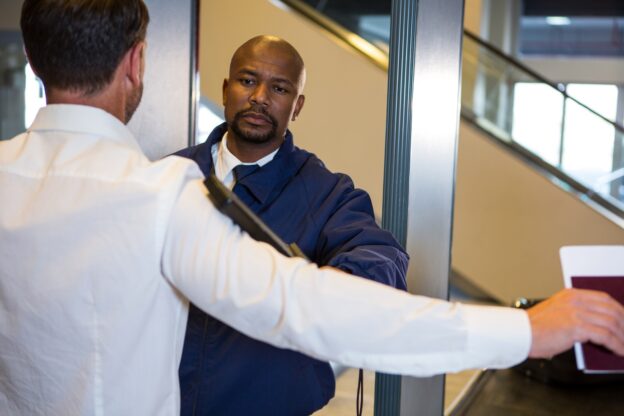
Door supervision is a specialist security service used within licensed premises, hospitality venues and events. Door supervisors are professionally trained, SIA-licensed security officers responsible for managing entry points, monitoring customer behaviour and maintaining safety throughout the venue.
According to UK industry guidance, door supervisors are trained in areas including conflict management, crowd control, communication, emergency response and customer service.
Their role often includes:
- Managing entry and exit points
- Checking identification and age verification
- Monitoring crowd behaviour
- Preventing unauthorised access
- De-escalating conflict
- Supporting emergency procedures
- Assisting customers and staff
Modern door supervision is about balancing security with professionalism and customer experience.
The Role of Door Supervisors in Oxfordshire Venues
Oxfordshire’s hospitality and nightlife sector continues to expand. Busy bars, pubs, restaurants, colleges, private venues and entertainment spaces all require professional crowd management and operational control.
Door supervisors help venues maintain safe and organised environments by acting as the first point of contact for guests.
Their responsibilities include:
- Managing queues and entry systems
- Preventing intoxicated individuals from entering
- Monitoring venue capacity
- Identifying potential risks early
- Supporting venue staff during incidents
Industry providers emphasise that professional door supervisors are critical for maintaining venue compliance and reducing the likelihood of disorder or licensing issues.
Their presence also reassures customers and contributes to a more positive atmosphere overall.
Door Supervision Is About More Than Security
One of the biggest misconceptions about door supervisors is that their role is purely physical enforcement.
In reality, modern door supervisors are trained communicators and customer-facing professionals. Industry experts consistently note that the best door supervisors rely primarily on communication and conflict de-escalation rather than physical intervention.
Professional door supervisors are expected to:
- Remain calm under pressure
- Communicate professionally
- Diffuse situations early
- Maintain professionalism at all times
- Represent the venue positively
This approach helps venues maintain a safe but welcoming atmosphere.
In many cases, strong communication prevents incidents from escalating in the first place.
Protecting Venue Licences and Compliance
Licensed premises in the UK operate under strict regulations and responsibilities.
Venue owners must demonstrate that they are taking reasonable steps to prevent disorder, protect customers and manage risk. Failure to maintain proper security standards can lead to licensing issues, fines or reputational damage.
Professional door supervisors help venues meet these obligations by:
- Enforcing venue policies
- Conducting ID checks
- Managing capacity limits
- Recording incidents
- Supporting emergency procedures
Industry providers highlight that professional door supervision is essential for helping venues remain compliant with licensing regulations and local authority requirements.
This is particularly important for venues operating late-night licences or hosting larger events.
Crowd Management and Customer Safety
Crowd management is one of the most important functions of door supervision.
Busy venues and events can quickly become difficult to manage without structured entry systems and active monitoring. Door supervisors help regulate crowd flow, reduce congestion and prevent overcrowding.
Their presence also discourages anti-social behaviour and improves overall safety for guests and staff.
Research into event and nightlife security consistently highlights the importance of visible, trained personnel in reducing incidents and maintaining organised environments.
This is especially important during peak hours, weekends and major public events.
The Importance of SIA Licensing
In the UK, door supervisors are legally required to hold an SIA Door Supervisor Licence issued by the Security Industry Authority.
This licensing process includes training in:
- Conflict management
- Communication skills
- Emergency procedures
- Physical intervention
- First aid
- Health and safety
- Customer care
Industry guidance notes that modern SIA training standards have significantly professionalised the door supervision industry and improved safety within licensed venues.
Businesses should always ensure their security provider uses fully licensed and trained personnel.
The Human Element Still Matters
Despite advances in surveillance systems and monitoring technology, human presence remains essential within venue security.
Door supervisors provide:
- Real-time judgement
- Behaviour assessment
- Conflict management
- Immediate response capability
- Customer interaction
Technology can monitor entrances and detect incidents, but it cannot interpret behaviour or communicate effectively with guests.
This human interaction is particularly important within hospitality environments where customer experience matters just as much as safety.
Professional door supervisors help create an atmosphere that feels secure without becoming intimidating.
Technology and Modern Door Supervision
Technology continues to support modern venue security operations.
Many venues now integrate:
- CCTV systems
- Body-worn cameras
- Digital incident reporting
- Two-way communication systems
- Smart access monitoring
Industry providers increasingly use body-worn cameras and communication technology to improve incident management, accountability and operational coordination.
You can explore CCTV security solutions here: https://www.alltimesecurity.co.uk/services/cctv-security.html
However, these systems work best when combined with trained security personnel who can respond appropriately in real time.
Door Supervision Across Different Venues
Different environments require different approaches to door supervision.
Bars & Nightclubs
These venues often require stricter access control, ID verification and crowd management due to alcohol consumption and late-night operation.
Restaurants & Hospitality Venues
Hospitality venues often require a more discreet and customer-focused security approach while still maintaining control and safety.
Private Events
Private functions and corporate events require guest-list management, controlled access and professional interaction with attendees.
Festivals & Public Events
Large-scale events require coordinated crowd management, emergency planning and visible security presence throughout the venue.
You can explore event security services here: https://www.alltimesecurity.co.uk/services/event-security.html
Health, Safety and Duty of Care
Venue owners have legal responsibilities to protect customers, employees and contractors.
The Health and Safety Executive provides guidance around public safety, workplace protection and risk management.
https://www.hse.gov.uk
Professional door supervisors support these responsibilities by:
- Managing access safely
- Monitoring crowd behaviour
- Responding to emergencies
- Supporting evacuation procedures
- Recording incidents professionally
This structured approach helps venues demonstrate compliance and reduce operational risk.
The Financial Benefits of Professional Door Supervision
Professional door supervision also delivers financial and operational benefits.
Well-managed venues are less likely to experience:
- Property damage
- Violent incidents
- Licensing complaints
- Insurance claims
- Reputational damage
Professional security also improves customer confidence and helps venues maintain a stronger reputation within the local community.
Businesses increasingly recognise that investing in professional security is more cost-effective than dealing with the consequences of poor incident management.
Why Oxfordshire Venues Need Tailored Security
Oxfordshire includes a wide mix of hospitality environments, from busy city-centre nightlife venues to rural event spaces and corporate hospitality locations.
Each venue faces different operational risks depending on:
- Venue size
- Crowd demographics
- Alcohol service
- Operating hours
- Event type
- Location
Effective door supervision therefore requires a tailored approach that reflects the environment and operational requirements of the venue.
Local knowledge also helps security teams respond more effectively to local conditions and venue-specific challenges.
The Future of Door Supervision in 2026
The door supervision industry continues to evolve rapidly.
In 2026 and beyond, venues are increasingly adopting:
- AI-supported CCTV systems
- Digital incident reporting
- Enhanced conflict management training
- Customer-service-focused security models
- Integrated communication platforms
At the same time, expectations around professionalism continue to rise.
Modern door supervisors are now expected to combine security expertise with strong interpersonal and customer-service skills.
The future of door supervision lies in professionalism, communication and integrated security management.
Conclusion: Door Supervision Services in Oxfordshire 2026
Door supervision services in Oxfordshire are more important than ever in 2026. As venues face increasing expectations around safety, professionalism and compliance, businesses must adopt structured and proactive security strategies.
By combining trained SIA-licensed personnel, crowd management expertise and professional customer interaction, venues can create safer and more successful environments for guests and staff alike.
Modern door supervision is no longer just about controlling entrances — it is about protecting reputation, supporting operations and delivering safe customer experiences.
To explore professional door supervision services across Oxfordshire, visit: https://www.alltimesecurity.co.uk/south-east/oxfordshire/door-supervision.html
