


Blogs

  • Security Guarding
  • Door Supervision
  • Event Security
  • Corporate Security
  • Concierge Security
  • Construction Site Security
  • Key Holding

Request a Quote

Submit the form below and our team will be in touch shortly.

Uncategorized
Why Construction Site Security in Surrey Is More Important Than Ever
30 Nov 2025

Construction sites across Surrey — from suburban housing developments to commercial refurbishments and infrastructure projects — face a growing range of security threats. As the UK construction sector continues to expand, so do the risks: theft, vandalism, unauthorised access, and project delays are increasingly common. In fact, construction site crime is rising sharply nationwide: a 2025 industry report found that 67% of construction professionals said crime increased on their sites over the last year, and 55% reported theft at least twice annually. 

With high-value materials, machinery, tools, fuel and fixtures often left on-site — sometimes overnight — the stakes are high. The UK construction industry reportedly loses hundreds of millions of pounds each year due to theft and vandalism alone. 

For anyone managing a build in Surrey — whether it’s a small refurbishment or a large-scale development — relying on chance or minimal security is a serious gamble. What’s needed is a proactive, layered security strategy, combining human presence, technology, and strict access management.


Construction Site Risks: What Surrey Builds Commonly Face


Theft of Tools, Materials & Machinery


Construction sites often store valuable items — copper wiring, power tools, fuel, plant equipment — making them attractive targets. Thieves know these items can be easily resold, and when sites are left unguarded overnight or during weekends, the risk increases. 

Vandalism, Arson & Damage


When a site is left open or poorly secured, vandals may gain access. Graffiti, damage to temporary fencing, arson or malicious destruction of materials are not uncommon. 

Trespass & Unauthorised Access


Construction zones often feature multiple entry points — gates, fences under construction, partially complete walls — which means unauthorised persons, trespassers or curious locals might gain entry. This leads not only to theft but also to liability issues if accidents or injuries occur. 

Night-time & Off-Hours Vulnerability


Most incidents happen outside working hours — nights, weekends, holidays — when sites are unmanned. Poor lighting, unmonitored gates, and inactive surveillance make theft or vandalism easier. 

Operational Delays & Financial Loss


Even minor thefts — a stolen set of tools, a cut of wiring, missing fuel — can halt work. Replacing materials, delays, budget overruns, and increased insurance premiums are common consequences. Many firms report that site crime leads to repeated project delays. 

Legal & Liability Risks


If unauthorised people enter an unsecured site and get injured, the site owner or contractor may face liability. Also, insurers may reject claims if security measures are deemed inadequate. 

Given these risks, ad-hoc or minimal security is rarely sufficient. A comprehensive approach is needed — one that adapts as the project evolves.


What Effective Construction Site Security Looks Like — Best Practices for Surrey


A secure site combines multiple layers of protection, each addressing different threats. Here are the core elements:

1. Physical Perimeter & Access Control


Start with strong site boundaries: robust fencing, secure gates, lockable hoardings. Minimise entry points wherever possible. Keep gates locked when no work is ongoing. Use signage to warn that the site is under surveillance. This simple step already deters many potential intruders. 

For larger or multi-phase sites, a controlled gatehouse or access checkpoint lets you log who enters/exits — essential for both security and health & safety compliance. 

2. On-Site Security Personnel (Manned Guarding)


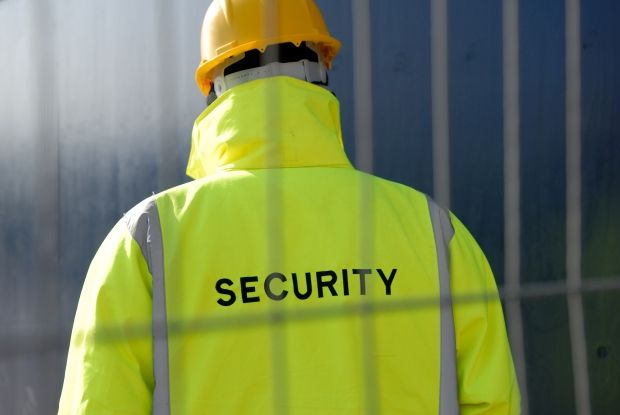
A visible, trained, SIA-licensed security guard is one of the best deterrents. Guards can check identities, log deliveries, patrol the site, and respond quickly to incidents. When someone sees a uniformed guard, many crimes are simply not attempted.

When selecting guards, ensure they are vetted, licensed, and familiar with construction environments — ideally with protective clothing (hi-vis, hard hats) and clear instructions on patrol rounds and reporting. 

3. Mobile Patrols & Flexible Security Coverage


For large sites, spread-out compounds, or developments with varying levels of activity, static guarding alone may not suffice. Mobile patrols — in marked vehicles or on foot — can conduct periodic or random inspections of boundaries, storage areas and vulnerable zones. This unpredictability makes it harder for criminals to plan thefts. 

4. CCTV, Remote Monitoring & Alarm Systems


Installing CCTV — whether fixed or via portable towers — significantly increases surveillance coverage. When linked to a 24/7 monitoring station, cameras act as “virtual guards,” alerting controllers to breaches in real time. This affords rapid response and can also provide footage for insurance and police follow-up. 

Alarms triggered by motion sensors, door contacts or perimeter sensors add a further security layer. When alarms tie back to key-holders or control rooms, response can be immediate — crucial overnight or during shutdown periods. 

5. Lighting & Site Visibility


Darkness helps criminals. Installing motion-sensitive floodlights, perimeter lighting, and ensuring no “blind spots” around gates or storage areas are fundamental. Good lighting not only deters theft but also improves safety for any overnight staff or emergency responders. 

6. Secure Storage & Asset Management


Small tools, wiring, fuel containers — and even major plant — must never be left exposed. Use lockable containers, secure storage units, mark tools (e.g. via approved registers), consider GPS tracking for high-value machinery, and maintain a detailed asset register. This helps with recovery efforts and may reduce insurance premiums. 

7. Access & Personnel Controls


Only authorised, vetted personnel should have access. Maintain a sign-in / sign-out log, issue site-IDs or passes, check contractor credentials, and restrict entry after work hours. In union with a gatehouse or controlled entrance, this helps deter insider threats or unauthorised access. 

8. Regular Patrol Logs, Incident Reporting & Documentation


Security effectiveness depends on record-keeping. Patrol logs, alarm logs, CCTV footage — all should be recorded and stored. In case of theft, vandalism or accidents, these records support insurance claims, police investigations, and site audits.

9. Flexibility & Scalable Cover


Construction schedules change, buildings evolve, and site perimeters expand or contract. Your security solution should be adaptable — able to scale up or down, add patrols, extend CCTV coverage, or increase guard presence as project stages shift.

10. Response Readiness & 24/7 Support


Incidents don’t only happen during work hours. A professional security provider should offer 24/7 control room support, rapid deployment, and emergency response — including liaison with police or fire services when needed. For example, many services allow short-notice bookings and cover holidays or weekends. 


Why It’s Especially Important in Surrey


Surrey’s mix of urban hubs, commuter-belt towns, suburban developments and rural fringes creates a unique security landscape. Projects range from luxury housing developments to commercial refurbishments — each with different vulnerabilities.

Key reasons to prioritise construction security in Surrey:

  • Proximity to transport routes and major roads — making it relatively easy for opportunistic criminals to transport stolen goods.

  • A mix of dense population and commuter traffic — increasing footfall and potential trespassers.

  • Rising incidents of metal theft, tool theft and opportunistic crime across the UK construction sector, reflecting national trends. 

  • Pressure on insurance and compliance — insurers increasingly demand proper security measures for site coverage, and failure to comply can lead to denied claims or premium hikes.


For construction firms, developers, and site managers in Surrey, inadequate security isn’t just a risk — it’s a liability.


What a Good Construction Site Security Provider Offers (What You Should Ask For)


If you decide to partner with a security company for your Surrey site, here are features and qualities to look for:

  • Licensed & Vetted Guards: SIA-licensed, background checked, trained in site security protocols, with PPE where necessary. 

  • 24/7 Control Room & Rapid Response: A contact centre that operates year-round, ready to dispatch response units immediately if alarms trigger or incidents occur. 

  • Flexible Contract Terms: Short-notice booking, no long-term tie-ins, ability to scale cover up or down depending on project phase. 

  • Integrated Security Systems: CCTV, alarm response, perimeter monitoring, patrol logging — not just guards.

  • Transparent Reporting: Patrol logs, incident records, access logs, CCTV footage — available and maintained properly.

  • Site-Specific Risk Assessment: The provider should survey the site first, identify vulnerabilities, and recommend tailored security plans (fences, lighting, patrol frequency, access control).

  • Emergency Preparedness: Ability to respond to fire, trespass, theft, vandalism or other emergencies; coordination with local authorities if needed.


A well-chosen provider becomes a partner — helping safeguard projects, minimise losses, and protect reputations.


The Business Case: Why Security Is an Investment, Not a Cost


The data speaks for itself:

  • The UK construction sector suffers hundreds of millions of pounds in annual losses due to theft and vandalism. 

  • A single incident — stolen tools, stripped cabling, vandalised materials — can delay projects, increase costs, and damage client trust.

  • Insurance premiums and liability risks rise when sites are left unprotected. Proper security helps lower those risks, and in many cases may reduce premiums.

  • A secure site reduces downtime, maintains worker safety, and supports continuous progress — protecting both timelines and revenue.


In short: the cost of security is often a fraction of the cost of a security breach.


Making It Happen: Steps for Site Managers in Surrey


If you manage a construction project in Surrey, here’s a practical checklist you can use to improve site security:

  1. Conduct a full site security audit — check perimeter, entry points, blind spots, storage areas, lighting, and asset locations.

  2. Establish access control procedures — gatehouse or controlled entry, sign-in/out logs, vehicle check-ins.

  3. Deploy perimeter fencing, secure gates, hoardings — no weak spots.

  4. Install CCTV and alarm systems, ideally with remote monitoring and 24/7 control room support.

  5. Hire SIA-licensed static guards for overnight coverage and random patrols.

  6. For larger sites or multi-phase builds, include mobile patrols to cover wide areas.

  7. Ensure secure storage: lockable containers, marked tools, equipment registers.

  8. Set up site lighting, especially around boundaries, storage, and access points.

  9. Maintain incident logs, patrol reports, CCTV archives — useful for audits, insurance, police cooperation.

  10. Review security plan periodically — especially when project phase changes (e.g. material delivery, shutdowns, handovers).


Conclusion: Building Peace of Mind — Not Just Buildings


In Surrey’s evolving construction environment — with expanding developments, mixed-use sites, and high-value assets — security is not a “nice to have.” It’s essential. Construction site security is about more than preventing theft; it protects timelines, budgets, people, and reputations.

By combining human guarding, technology, access control, and proactive planning, you can greatly reduce risks and safeguard your project against the growing tide of construction-related crime in the UK.

If you manage a site, contractor yard, residential development or infrastructure project in Surrey — take time now to assess your security. The right protection makes the difference between building successfully — and paying the cost of vulnerability.

Share This:

security-service-providers
Why Surrey Needs Professional Security Services — and What That Looks Like
27 Nov 2025

Surrey is often regarded as a generally safe county. But that doesn’t mean it’s free from risk. In recent years, shifts in crime patterns, population growth, increased mobility, and a mix of urban, suburban and rural zones have meant that many households, businesses, and organisations are looking to proactive security solutions.

Although recent data shows some positive trends, the need for security services remains very real. According to the latest reporting by the Surrey Police via the Office of the Police & Crime Commissioner for Surrey, there were 305 fewer residential burglaries across the county between August 2024 and August 2025 — a positive decrease.  However, other reports highlight that many burglaries still go unattended or unsolved, pointing to resource pressures and policing limitations. 

Furthermore, a recent community-safety survey showed that only ~44% of residents in Surrey “feel safe outside at night,” with many raising concerns about anti-social behaviour, vehicle-related crime, burglary and drug-related issues. 

With such mixed figures, it becomes clear that a reliable, professional security service can play a major role in helping residents, businesses and communities feel safer — bridging the gap between official policing and everyday protection.

In this post, we’ll explore: the security landscape in Surrey; core services that businesses and residents should consider; how to build a robust security plan; and why local, professional providers are often the most effective choice.


Understanding the Security Landscape in Surrey


Surrey’s strengths — its mix of towns, commuter suburbs, countryside, wealthy homes, and proximity to London — also create a complex security environment. Some of the main factors that influence security needs include:

Population movement and commuter traffic


Many residents commute daily to London or other employment hubs. This constant flow of people increases transient footfall, foot traffic, and density — factors that can attract opportunistic crime.

Urban, suburban and rural blends


From busy districts like Guildford or Staines to smaller villages and rural pockets — each area has different vulnerabilities. Theft, burglary, anti-social behaviour, vehicle crime or vandalism may affect neighbourhoods differently. For example, urban zones may see more theft and public-order incidents, while rural areas may suffer isolated burglaries or vehicle theft.

Reduced public policing resources


While Surrey Police continue to maintain safety, budget pressures and nationwide trends mean that not all incidents receive rapid attention or follow-up. Reports show that a substantial number of burglaries went unattended or unsolved in recent years. 

Changing crime patterns: from burglary to vehicle theft and ASB


While burglary and property crime remain concerns, other crime types — vehicle offences, theft from vehicles, anti-social behaviour (ASB), and public-order offences — have been rising. 

Community perceptions and vulnerability — especially at night


According to a 2025 community-safety survey, while many feel safe during daytime, safety perception drops significantly at night — particularly among women and vulnerable groups. 


What Security Services in Surrey Should Cover: A Multi-Layered Approach


Given Surrey’s diverse mix of urban, suburban and rural zones — plus varying risk levels — a one-size-fits-all solution doesn’t work. The most effective security strategies are multi-layered, combining human presence, technology, and ongoing risk management. Here’s a breakdown of what proper security services should cover:

1. Manned Guarding & On-Site Security


Whether safeguarding a residential estate, a retail premises, an office building or a warehouse — having trained, licensed guards on site provides visible deterrence, controlled access, and immediate response capability. Guards can manage entry, monitor people flow, respond to alarm triggers, deter trespassers or vandals, and act as first responders.

2. Mobile Patrols & Remote Monitoring


For larger or spread-out properties — estates, industrial zones, scattered retail/warehouse sites — mobile patrols help cover ground. Teams on foot or in marked vehicles conduct random or scheduled patrols, inspect perimeters, check gates and fences, and respond to notifications from alarms or CCTV systems.

3. CCTV, Alarm Systems & Surveillance Integration


Technology plays a big role in modern security. CCTV cameras, motion sensors, alarm systems, access-control hardware and remote monitoring allow for 24/7 oversight. When integrated with response services, these tools significantly reduce the risk of theft or damage — and provide evidence trails when incidents occur.

4. Keyholding & Alarm Response Services


For domestic properties, small businesses, or premises left unoccupied overnight or during holidays, keyholding services provide peace of mind. If an alarm triggers, trained staff respond, secure the site, liaise with authorities (if needed), and ensure safety — without exposing owners or employees to risk.

5. Retail, Hospitality & Public-Facing Security


With the presence of shopping centres, entertainment venues, restaurants, hospitality and public-facing businesses in Surrey, there’s demand for door supervision, retail security, loss-prevention measures, and crowd or event security. This helps manage shoplifting, anti-social behaviour, and ensures safety for customers and staff.

6. Corporate & Office Security


Businesses operating offices, tech parks or corporate premises benefit from concierge-style guarding, access control, visitor management, after-hours security and emergency response readiness. Such measures protect property and data — and provide reassurance to staff and clients.

7. Residential / Estate Security & Community Protection


For gated communities, suburban developments or rural estates, security services may include front-of-house concierge, patrols, night-time surveillance, and access control — all contributing to safer neighbourhoods and improved resident confidence.

8. Industrial, Warehouse & Logistics Security


For warehouses, storage facilities, logistics hubs or industrial sites, security must include perimeter protection, CCTV, guard patrols, access control, and possibly on-site guard presence — especially overnight or during loading/unloading times.

9. Risk Assessment, Consultancy & Ongoing Security Planning


Security isn’t static. Effective protection requires periodic risk assessments, security audits, incident reporting, communications with local police/neighbourhood teams, and adaptation as local conditions or property use change.


Why a Local Security Provider Often Outperforms National or Generic Solutions


Local security providers operating across Surrey — especially those familiar with the county’s geography, local crime patterns, demographic diversity and community needs — have distinct advantages:

  • Quick response times: less travel time when responding to alarms or incidents.

  • Local knowledge: familiarity with local hot-spots, residential patterns, transport hubs, and neighbourhood dynamics.

  • Tailored solutions: ability to tailor security packages to specific local needs and property types (rural vs urban, retail vs residential vs industrial).

  • Community trust: presence of known, consistent security personnel builds community reassurance and long-term relationships.

  • Flexibility & scalability: easier to scale up or down services based on site needs, seasonality or local developments.


Given Surrey’s complexity — a mix of urban towns, suburbs, commuter zones, and rural areas — this local intelligence and flexibility is often more effective than standard “one-size-fits-all” contracts.


Building a Robust Security Strategy for Surrey: Steps and Recommendations


If you manage a property, run a business, or are part of a residential community in Surrey, here’s a recommended roadmap to build a comprehensive security plan:

  1. Conduct a Risk & Vulnerability Assessment

    • Identify property layout, entry/exit points, blind spots, shared/public access areas, parking zones, delivery zones.

    • Review local crime data for your borough or district — burglary rates, vehicle theft, ASB trends, night-time crime.

    • Determine asset value and liability exposure (equipment, inventory, high-value items, sensitive data).


  2. Define Security Services Based on Use-Case

    • Residential buildings: concierge, patrols, CCTV, access control.

    • Retail/Hospitality: manned guarding, CCTV, door supervision, loss prevention.

    • Offices/Corporate: reception security, keyholding, alarm response.

    • Warehouses/Industrial: perimeter fencing, patrols, surveillance, gates/entry control.


  3. Integrate Human & Technological Layers

    • Combine trained patrols / guards with CCTV, alarms, access control, lighting.

    • Use remote monitoring where feasible for 24/7 oversight.

    • Install alert/response protocols — who responds, how quickly, escalation steps.


  4. Set Up Access Control & Visitor Management

    • Use sign-in logs, visitor badges, vehicle checks if needed.

    • Limit or control after-hours access — especially for mixed-use or communal buildings.


  5. Implement Emergency & Incident Response Procedures

    • Define protocols for break-ins, alarms, fire, flooding, medical emergencies.

    • Assign trained staff or liaison contacts for after-hours response or alarm activation.


  6. Regular Patrols & Random Checks

    • Randomised patrol schedules reduce predictability and deter opportunistic crime.

    • Record patrol logs, incident reports, response times, follow-up actions.


  7. Community Engagement & Liaison with Local Authorities

    • Work with local policing teams or community safety initiatives.

    • Encourage neighbours or tenants to report suspicious activity.

    • Share CCTV or surveillance footage when relevant to support investigations.


  8. Periodic Review & Adaptation

    • Use incident data and patterns to update security strategy.

    • Adjust staffing, patrol routes or surveillance based on changing risk conditions or property use.


When Security Services Make a Real Difference in Surrey


Here are scenarios where investing in security services significantly reduces risk:

  • Residential developments near commuter hubs or train stations — helping protect against burglary or vehicle theft, especially overnight.

  • Retail shops in busy town centres — deterring shoplifting or anti-social behaviour, especially during evenings or holiday periods.

  • Warehouses or storage units near motorways or logistics corridors — reducing risk of theft of goods or equipment.

  • Office campuses or business parks with after-hours access needs — ensuring corporate assets and data are protected outside core hours.

  • Mixed-use buildings or multi-tenant properties — managing shared access, deliveries, visitor flow, and resident security.

  • Events, hospitality venues or public gatherings — providing crowd control, entry management, and public-safety services.


In all these cases, a professional security partner helps uphold safety, reduce losses, and support long-term operational stability.


Why Surrey Residents & Businesses Should Consider Security Services — Even If Crime Is Falling


It’s tempting to assume that because certain crime statistics (like residential burglary) show improvement, security may not be as urgent. However:

  • Crime statistics rarely tell the whole story — unsolved or unreported offences are common, and many incidents go unnoticed by national data sets.

  • Changing crime patterns — such as increased vehicle crime, anti-social behaviour, theft from vehicles, vandalism — may not always be captured fully in headline burglary stats, but still pose serious risks.

  • Preventive measures and visible security deter opportunistic criminals, even if incidents are rare — preserving peace of mind, protecting assets, and reducing potential losses.

  • For businesses, reputation and client safety are critical. A secure environment supports trust, reduces liability, and helps meet insurance or compliance requirements.

  • Mixed-use development, commuting, variable occupancy and transient populations increase unpredictability — security becomes an essential foundational layer.


In short: security services should be seen as insurance for safety and continuity, not just a response after something goes wrong.


Choosing the Right Security Partner in Surrey


If you decide to work with a security provider, here are key factors to consider:

  • Licences & Accreditation: Ensure staff are properly licensed, vetted, and trained.

  • Local Knowledge: A provider who understands local geography, crime trends, transport networks and community dynamics will be more effective.

  • Service Flexibility: Ability to provide a mix of manned guarding, patrols, CCTV monitoring, alarm response — tailored to your property type and risk profile.

  • Transparent Reporting & Accountability: Regular patrol logs, incident reports, access logs, CCTV recording retention, and compliance with data protection.

  • Rapid Response Capability: For alarm triggers, trespasser reports, or emergency incidents, prompt attendances matter a lot.

  • Community & Stakeholder Liaison: Ability to coordinate with local authorities, community policing, and adapt to local events or community safety initiatives.


Conclusion: Security as a Foundation of Confidence and Safety in Surrey


Surrey remains a desirable place to live, work, and do business. Its combination of urban convenience, commuter access, countryside escapes, and thriving communities continues to attract investment, families, and growth. But growth brings complexity — and complexity brings risk.

A proactive, well-structured security strategy is no longer optional. It’s a crucial foundation to protect people, assets, and peace of mind. Whether you’re managing a home, a business, a development, or a public space, combining professional security services with community awareness can significantly enhance safety and reduce vulnerabilities.

In a county like Surrey — diverse, evolving, and busy — that security isn’t just about reacting to crime: it’s about preventing, protecting, and building confidence for residents, businesses, and visitors alike.

If you’re considering security services in Surrey, now might be the right time to evaluate your risks — and see how professional guarding, monitoring and response can help you stay secure, supported, and prepared.

Share This:

Protecting Maidenhead: Why Security Services Matter for Businesses & Communities
25 Nov 2025

Maidenhead has grown significantly in recent years. As a major town in Berkshire and part of the wider Thames Valley area, it blends commuter living, business parks, retail centres, residential neighbourhoods, nightlife, and community spaces. With a population of around 67,000, Maidenhead is a bustling hub where people live, work, shop, and socialise. 

But with that vibrancy come security challenges. From retail theft and anti‑social behaviour to rising shoplifting, vehicle crime, and residential burglaries, local data suggests that risks are real and evolving. 

That’s why robust, professional security services in Maidenhead are increasingly indispensable — not just for businesses, but for the community as a whole. This article explores why security matters, what types of services are relevant to Maidenhead, and how a tailored security strategy can help keep people and property safe.


The Security Landscape in Maidenhead: What the Data Tells Us


Crime Statistics: Why Awareness Matters


According to recent CrimeRate data for 2025, Maidenhead’s overall crime rate stands at approximately 52 crimes per 1,000 people, which sits slightly below the average for Berkshire overall.  That said, like many growing commuter towns, certain crime types are rising or undergoing change — including shoplifting, vehicle crime, and anti‑social behaviour, particularly in and around the town centre and retail hubs. 

Local policing reports note continuing concerns:

  • Anti-social behaviour (including scooter/e-bike misuse, youth loitering, and public nuisance) in high‑footfall town centre areas. 

  • Retail crime (shoplifting and theft from business premises) has increased in recent months, reflecting broader UK trends. 

  • Vehicle and bicycle thefts around transport hubs, such as the train station, car parks, and commuter routes. 


Even though for many residents Maidenhead remains relatively safe overall, these trends highlight the importance of proactive security measures rather than reactive responses. A professional security service provides reassurance, prevention, and continuity — all of which support businesses, homeowners, and public safety alike.


What “Security Services in Maidenhead” Should Cover


Security services should reflect the diversity of local needs — from retail and events to residential protection, corporate offices, industrial or warehouse premises, and public spaces. Here are the core service types relevant to Maidenhead, and why they matter:

1. Manned Guarding & Static Security


Uniformed, SIA‑licensed security guards offer visible deterrence — an essential element in retail premises, commercial buildings, and residential complexes. Their presence can prevent theft, vandalism, and unauthorised access, while also controlling entry and exit points, managing deliveries or visitors, and acting as first responders in incidents.

2. Mobile Patrols & Night-Time Coverage


For areas that are quieter at night — parking lots, business parks, industrial estates, or out-of-hours offices — mobile patrols add flexibility. Guards in marked vehicles or on foot can conduct random or scheduled patrols, check perimeters, inspect alarm triggers, and deter intruders or vandals.

3. Keyholding & Alarm Response


For smaller businesses, shops, offices, or residential buildings, keyholding and alarm response services provide valuable peace of mind. When an alarm triggers — whether due to break-in, fire, or other emergencies — trained officers can quickly attend the site, secure it, liaise with police or emergency services, and reset the system. This service is essential for premises that are unstaffed overnight or during holidays.

Many companies offer such services in Maidenhead, giving flexibility and safety without requiring full-time guarding. 

4. Event Security & Crowd Management


Maidenhead hosts a variety of events — from local fairs and community gatherings to private functions and corporate events. Whether it’s crowd control, access management, or emergency readiness, professional event security is crucial for protecting attendees, venue staff, and reputation alike.

5. Retail Security & Shop Surveillance


Given the rise in retail crime and shoplifting, stores in Maidenhead — especially in central shopping districts — benefit from a combination of manned guarding, CCTV, loss-prevention measures, and incident documentation. Security services tailored to retail needs help reduce shrinkage, provide safety for staff and customers, and maintain a trusted environment.

6. Corporate, Office & Business Park Security


With many businesses, offices, and corporate entities based in and around Maidenhead, there is demand for concierge-style security, reception guarding, access control, CCTV monitoring, and after-hours protection. A professional corporate security service ensures that buildings remain secure outside working hours and that any incidents are managed promptly and professionally.

7. Residential & Property Security


New developments and apartment blocks in Maidenhead benefit from concierge, gated‑entry, and static security. These services provide residents with assurance, manage visitor access, deter opportunistic crime, and enhance the overall sense of community safety.

8. Industrial, Warehouse & Logistics Security


For warehouses, logistics hubs or light-industrial units, especially those storing valuable goods or equipment, security must include patrols, CCTV, perimeter protection, access control, and possibly alarm response. Given potential theft, vehicle crime, or unauthorised access, this kind of protection is increasingly common in and around Maidenhead’s business zones.


Building a Comprehensive Security Strategy for Maidenhead


To protect your property, business, or community effectively in Maidenhead, security should be proactive, layered, and adaptable. Here’s a recommended strategy:

Step 1: Conduct a Risk Assessment


  • Map out the physical layout: entrances, exits, blind spots, public access paths, neighbouring properties.

  • Identify high-risk zones: retail floors, parking areas, storage yards, communal facilities, access points.

  • Use local crime data (e.g., recent theft, shoplifting, vehicle crime stats) to identify patterns and vulnerable times (night, weekends, holiday periods).


Step 2: Define Security Needs by Site Type


Based on your site (shop, warehouse, school, event venue, apartment block), select relevant security services — static guards, patrols, CCTV, keyholding, event guarding, etc.

Step 3: Combine Physical Presence & Technology


Use a mix of human presence (guards, patrols) with technology (CCTV, alarm systems, access control) for layered protection. This combination makes security far more effective than either alone.

Step 4: Implement Clear Access Control & Visitor Management


Restrict and monitor entrance points. Maintain sign-in/log-in records, issue visitor badges, manage deliveries, and ensure after-hours access is controlled.

Step 5: Establish Alarm Response & Keyholding Arrangements


Ensure that your alarms are linked to trained responders who can come on-site quickly if needed — especially useful for overnight or unmanned periods.

Step 6: Monitor, Report & Evaluate


Keep detailed logs of patrols, incidents, CCTV footage, visitor records. Review monthly or quarterly to identify patterns, adjust patrol routes, upgrade systems, or increase presence where needed.

Step 7: Engage with Community & Police Initiatives


Work with local law enforcement, neighbourhood watch, business crime prevention schemes (like DISC for retailers) — collective vigilance strengthens deterrence and helps share intelligence. 


Why Professional Security Service Matters — Beyond Just Deterrence


Human Presence & Judgment

CCTV and alarms are useful — but they can’t act. A trained security guard sees context, responds, de-escalates situations, assists people in trouble, and works proactively.

Rapid Response & Risk Mitigation

Whether it’s a burglary, vandalism, medical incident, fire, or vandalism — having trained responders on-site or on call ensures incidents are managed before they escalate.

Building Confidence: For Businesses, Residents, and Visitors

Security presence improves public perception. Retail customers feel safer, employees feel protected, residents feel secure, and businesses can operate with confidence.

Insurance & Liability Reduction

Adequate security can reduce insurance premiums, protect assets, and demonstrate responsible risk management — essential for business continuity.

Compliance & Accountability

Licensed security firms follow legal regulations, vet staff, provide incident logs, and adhere to data protection laws when operating CCTV — ensuring transparency and compliance.


Local Context Matters: Why Maidenhead Needs Tailored Security


Maidenhead is not the same as central London, nor a remote village. It’s a commuter town, commercial hub, and residential community — all rolled into one. This creates a unique blend of security needs:

  • A mix of commuter traffic, town centre footfall, residential roads, and industrial estates.

  • Retail centres and shops requiring loss prevention and shop‑safe strategies.

  • Evening economy and nightlife that may require crowd and door supervision.

  • A blend of modern and older buildings, requiring flexible security solutions (from CCTV integration to concierge services).

  • Growth zones, new housing developments, and redevelopment areas — often requiring ongoing site security and between‑works security arrangements.


A one-size-fits-all security plan won’t work — the diversity demands flexibility, local knowledge, and adaptability.


How Local Security Providers Can Serve Maidenhead


Companies offering security services in Maidenhead (such as All Time Security) typically cover the full suite of services:

  • Manned guarding (static and mobile)

  • Keyholding and alarm response

  • Mobile patrols and out-of-hours coverage

  • Retail security and loss prevention

  • Corporate and office guarding

  • Event security and crowd management

  • Residential & concierge security

  • Industrial, warehouse & logistics security


They also provide flexible contracts — anywhere from short-term site cover to long-term, ongoing protection.

A local, responsive security partner understands Maidenhead’s community, crime patterns, and geography — and can tailor their services accordingly.


Best Practices & Recommendations for Maidenhead Clients


Whether you’re a retailer, landlord, event organiser, or business owner, here are best-practice tips when working with a security provider:

  • Choose SIA‑licensed guards for legality and professionalism

  • Ensure your contract includes written patrol and incident reporting, with clear escalation paths

  • Combine guards with technology (CCTV, alarms, access control) for layered protection

  • Review your security plan regularly, especially if business type or footfall changes

  • Engage in neighbourhood watch or local business crime‑prevention groups

  • Ensure data from CCTV or access control is handled GDPR‑compliantly


Conclusion: Security Is Not Optional — It’s Essential for Maidenhead’s Future


As Maidenhead continues to grow and evolve, so too do its security needs. A modern security strategy isn’t just about installing CCTV or putting a guard at the door — it’s about building a comprehensive, adaptive, human-centred protection plan that safeguards people, property, and community.

Whether you’re running a shop in the town centre, a warehouse in an industrial estate, a new residential block, or hosting a public event — investing in proper security services contributes to peace of mind, prevents losses, and supports the long-term prosperity of Maidenhead.

If you’d like to explore your security options or plan a tailored protection strategy for your site, getting professional advice is the first — and most important — step. Because in a town like Maidenhead, safety and confidence are as important as growth and innovation.

Share This:

Unmatched Site Security: Protecting Your Assets Across London
Building Safely in Slough: Why Construction Site Security Matters More Than Ever
22 Nov 2025

Slough is booming. With new housing developments, commercial office blocks, infrastructure upgrades, and industrial expansions, it’s one of the fastest-changing towns in the South East. For developers, builders and site managers, this growth brings opportunity — but also serious security challenges.

If you’re working on a build in or around Slough, robust construction site security isn’t optional. It’s the difference between finishing on schedule — or facing theft, vandalism, costly delays, and reputational damage.

Below we explore why Slough needs top-tier site security, what threats exist, what good security looks like, and how to build a tailored plan that works.


Why Slough Is a Hotspot for Security Risks


Rapid Growth & High Demand for Construction


Slough’s regeneration has brought new residential zones (e.g. Herschel Park, Cippenham, Manor Park), business parks, industrial units and logistics centres. With many sites operating simultaneously, there’s intense demand for labour and resources — and unfortunately, opportunistic crime rises in step.

Storage yards, building materials, plant equipment, and tools all attract attention. As one industry report notes, UK construction firms report that 92% have experienced theft or vandalism at least once. 

Value & Mobility of Construction Assets


Sites often contain valuable items — copper wiring, heavy machinery, tools, metal fixtures. These are easy to steal and resell. A national analysis estimates the UK industry loses around £800 million every year to theft and vandalism. 

Even smaller thefts — stolen subcontractor tools or cables — accumulate quickly and can halt work. A recent survey found that 1 in 4 construction workers has been robbed on site. 

Rise of Organised and Opportunistic Crime


Construction crime is no longer just opportunistic. According to the 2025 BauWatch Crime Report, 67% of construction professionals reported increased crime in the past 12 months, and 55% experienced theft at least twice a year. 

Sites are now often targeted by organised groups; stolen materials make their way to black-market networks. Without proper security and tracking, recovery rates remain low and losses high. 

Regulatory, Safety, and Insurance Pressures


Beyond theft, there are safety, compliance, and liability concerns. The National Business Crime Centre (NBCC)recommends fencing, CCTV, alarms, lighting, and regular patrols to meet duty-of-care under UK law. 

Failure to secure a site can lead to prosecution, insurance issues, or legal exposure — especially if unauthorised persons are injured on site.


Common Security Threats on Slough Construction Sites


Before designing a security plan, it’s important to understand what you’re up against. Typical threats include:

1. Theft of Tools, Materials & Machinery

High-value items like power tools, copper wiring, plant machinery, fuel can be stolen quickly — often overnight or over weekends. 

2. Vandalism & Arson

Sites can be vandalised, fences damaged, graffiti applied, or worse — malicious fires. Vandalism damages property, delays work, and increases insurance costs. 

3. Trespass & Unauthorised Access

Open or poorly fenced sites attract trespassers — whether thrill-seekers, local youths, or would-be thieves. Such access increases risk of injuries (and related liability) and theft. 

4. Insider Theft or Misuse

Often, theft isn’t by outsiders — employees or subcontractors may misuse access or steal materials. Internal risk is a significant portion of total site crime. 

5. Project Delays & Financial Impact

Even small theft incidents cause delays. Missing critical components, having to reorder materials or replace tools can push timelines back, harming profitability. As the 2025 BauWatch report shows, 31% of sites reported delays due to crime, with some setbacks lasting more than four weeks. 


What Effective Construction Site Security in Slough Looks Like


Based on industry research and best practice guidance, an effective security strategy combines human presence, technology, and process. The National Business Crime Centre (NBCC) recommends fencing, CCTV, controlled access, patrols, and regular monitoring for construction sites. 

Here’s a breakdown of essential components:

Manned Guarding / Static Security


Employing SIA-licensed security guards provides a strong human deterrent. Guards can manage access points, monitor entry, log visitors, secure plant areas after hours, respond to alarms, and provide a 24/7 human presence that cameras alone cannot replace.

Mobile Patrols & Randomised Checks


For large or spread-out sites — or when multiple new developments are happening — mobile patrols are invaluable. They provide unpredictable oversight, discourage repeat offenders, and ensure every part of the site is checked routinely.

CCTV, Alarms & Remote Monitoring


CCTV cameras — ideally with remote monitoring — help cover blind spots, deter crime, and record any incidents. When integrated with alarms, they create a rapid detection-response system that boosts site security significantly.

Keyholding & Rapid Alarm Response


For times when the site is unmanned — nights, weekends, holidays — a reliable keyholding and alarm response service ensures that any breach triggers an immediate, professional reaction. Security officers attend the site, check for intrusion, and liaise with police or fire services if needed. This reduces risk and liability.

Perimeter Security & Physical Deterrents


High-quality fencing, secure gates, lockable storage containers, warning signage, and vehicle barriers help prevent unauthorised access. Regular inspection and maintenance of boundaries is vital — broken fences or unsecured gates are often the first sign of breach.

Lighting & Visibility Measures


Poor visibility at night is a key factor in site theft. Installing motion-activated floodlights, temporary site lighting, and ensuring all entry points are well-lit significantly reduces the risk of nocturnal intrusion.

Asset Marking, Tracking & Secure Storage


Tools, materials and equipment should be marked (e.g. via SmartWater, SelectaDNA, unique asset tags) and stored securely when not in use. For high-value plant or machinery, GPS/telematics tracking can help deter theft and aid recovery if stolen. The use of tracking tech by UK construction sites has increased by 278% in recent years, reflecting a growing shift toward proactive asset protection. 

Risk Assessment & Security Plan Early in Project Lifecycle


Security measures must be part of the project from day one — not tacked on retrospectively. Early risk assessments identify vulnerabilities, and allow you to budget and plan security measures proactively. The NBCC’s Building Site Security guidance recommends implementing security measures before any equipment arrives on site. 

Training, Reporting & Compliance


All security staff should be SIA-licensed, trained in health & safety, conflict resolution, emergency response, and basic first aid. Clear reporting, incident logs, sign-in/out records, and audit trails are essential — for insurance, legal compliance, and internal accountability.


How All Time Security Delivers Construction Site Security in Slough


At All Time Security, we understand how critical site protection is — especially in dynamic, growth-oriented places like Slough. Our Construction Site Security Service in Slough is designed to meet the full spectrum of client needs, from small developments to large-scale logistic hubs.

Here’s how we typically structure our offering:

  • SIA-licensed static guarding — highly visible presence at access gates, compound entrances, and high-value storage areas.

  • Mobile patrol teams — covering large sites, multi-phase developments, or logistics yards.

  • CCTV integration and alarm response — cameras, remote monitoring, and swift reaction through keyholding teams.

  • Perimeter security & boundary checks — ensuring fences, gates, hoardings remain intact and secure, with regular patrols verifying integrity.

  • Night and out-of-hours cover — 24/7 availability for overnight shifts, weekends, and holidays.

  • Asset tracking support & secure storage advice — guidance on marking tools, managing site storage, and integrating tracking technology where needed.

  • Risk assessment consultancy — helping site managers identify vulnerabilities, map out security zones, and produce security plans compliant with industry standards (NBCC, HSE).


Our Slough service page outlines our approach and coverage zones: Construction Site Security SloughAttachment.tiff


Best Practice Recommendations for Slough Site Managers


If you manage a construction site in Slough — from new housing, commercial build, refurbishment, or logistics — use this checklist to guide your security planning:

  1. Begin with a Site-Wide Risk Assessment

    • Map all entry points (gates, hoardings, soft landscape edges)

    • Identify high-value assets (machinery, materials, stored plant)

    • Note vulnerable times (overnight, weekends, holidays)

    • Consider neighbouring zones (public pathways, parks, roads)


  2. Install Physical Security First

    • Erect robust fencing, lockable gates, secure hoardings

    • Add clear signage warning trespassers

    • Light up perimeters and entry points with motion-activated floodlights


  3. Combine Human and Technology-based Security Layers

    • Use SIA-licensed static guards at gates / entrances

    • Deploy CCTV with remote monitoring and recording

    • Implement alarm systems connected to a keyholding response team


  4. Use Mobile Patrols to Cover Large or Multi-Zone Sites

    • Vary patrol times to reduce predictability

    • Include perimeter checks, internal compound inspections, material storage log checks


  5. Secure Tools, Materials & Machinery

    • Use asset marking (SmartWater, SelectaDNA) and tagging

    • Store small tools off-site or in locked containers each night

    • Track vehicles and large plant with GPS/telematics if possible


  6. Ensure Staff, Contractors & Visitors Are Logged and Monitored

    • Maintain sign-in / sign-out logs

    • Use visitor passes

    • Vet subcontractors, keep records, and update access permissions regularly


  7. Have an Emergency & Incident Response Plan

    • Define alarm escalation procedures

    • Ensure guards know local police contact, fire service contact, and site emergency exits

    • Regularly review and rehearse emergency scenarios


  8. Maintain Detailed Records & Reports

    • Patrol logs, incident reports, gate logs, alarm events

    • Asset inventory

    • CCTV footage retained securely for a reasonable retention period (check GDPR / data protection laws)


  9. Budget Security as Part of Project Costs

    • View security costs not as overhead but as insurance against theft, delay, insurance premium increases, and reputational damage.


  10. Review & Update Security Regularly


  • As site phases change (e.g., from groundwork to finishing), update your security plan accordingly

  • Reassess after any incident or near-miss

  • Adjust staffing levels, patrol routes, or technology coverage if needed


The Business Case: Security Adds Value — Not Cost


While security is sometimes viewed as a cost centre, in reality it’s a risk mitigation investment. The numbers speak clearly:

  • The UK construction industry loses about £800 million annually to theft and vandalism. 

  • Theft delays projects, often by weeks, which impacts delivery schedules, increases labour and hire costs, and risks penalties. 

  • Insurance premiums for sites with poor security tend to be higher, and claims may be rejected if inadequate security is proven. 

  • On the other hand, good security reduces risk, deters theft, protects reputation, and ensures timely completion — often saving many times the cost of the security contract.


In other words: effective site security pays for itself.


Why Slough Demands Localised Security Expertise — Not One-Size-Fits-All


Slough’s security needs are unique:

  • Multiple construction zones at once — residential, industrial, commercial

  • Proximity to busy transport links (M4, M25, railway) which makes moving stolen plant/material easier

  • Mixed use developments: close neighbouring housing estates or public spaces may increase liability and risk


This makes a local, flexible, knowledgeable security partner vital. Providers like All Time Security combine local understanding with national-level security standards. That means faster response times, better risk assessment, and tailored solutions — not generic, one-size-fits-all guarding.


External Context: Why the Construction Industry is Upgrading Security


Recent UK-wide industry reports reinforce the importance of strong site security:

  • The BauWatch Crime Report 2025 reveals a sharp rise in site theft and vandalism, with many sites hit multiple times per year. 

  • According to the Chartered Institute of Building (CIOB), 92% of construction professionals have experienced theft or vandalism on site, and 91% have witnessed property damage at least once. 

  • The National Business Crime Centre (NBCC) guidance highlights the necessity of fencing, lighting, CCTV, alarms, patrols and secure access control for vacant or vulnerable sites. 


These sources stress that construction site security is about prevention, detection, and rapid response — not reactive policing after the fact.


Conclusion: Secure Your Slough Project from Groundwork to Completion


Slough is changing fast. As new homes, offices, and industrial units rise, so do the risks to materials, machinery, and schedules. In such an environment, construction site security is not an afterthought — it’s essential.

By combining SIA-licensed guarding, mobile patrols, CCTV & alarms, secure storage, asset tracking, and clear security planning, you greatly reduce the chances of theft, vandalism, or costly delays.

If you’re managing a build in Slough — small or large, residential or commercial — take time now to review your security. The right partner, the right plan, and the right approach can save you time, money, and reputational damage.

With experts who understand both the local landscape and national industry standards, your site can be protected 24/7, so work continues smoothly — and safely.

Share This:

Professional Security Services in Bracknell | Complete Guide
Bracknell’s Growing Need for Professional Security Services: A Complete Guide for Businesses & Communities
19 Nov 2025

Bracknell’s Growing Need for Professional Security Services: A Complete Guide for Businesses & Communities


Bracknell has transformed rapidly over the last decade. What was once a quiet Berkshire town has become a thriving commercial and residential hub, home to major global companies, large shopping centres, expanding business parks, new residential developments, and ongoing construction activity. With growth comes opportunity — but also new security challenges.

Today, demand for Security Services in Bracknell is higher than ever, not just from large corporations but from small businesses, schools, construction firms, retail units, and event organisers across the town. Whether it’s protecting commercial premises overnight, securing large warehouses on the outskirts, safeguarding construction sites, or ensuring retail staff feel supported, Bracknell businesses are prioritising safety like never before.

This guide breaks down everything you need to know about modern security solutions in Bracknell, the challenges faced by local businesses, and how choosing the right approach can protect people, property, and daily operations.


Why Security Matters in Bracknell Right Now


Bracknell’s regeneration has brought significant investment — The Lexicon shopping centre, the new residential developments in Jennett’s Park and Warfield, and the continued expansion of Southern and Western business parks. With more movement of people, increased commercial activity, and ongoing construction, the potential for crime has also risen.

While Bracknell remains one of Berkshire’s safer areas, businesses still face real threats:

  • Late-night retail theft

  • Vandalism around construction sites

  • Attempted break-ins at industrial units

  • Anti-social behaviour in public spaces

  • Staff safety concerns during closing hours

  • Parking area theft or damage

  • Security issues at events and gatherings


This is why organisations are increasingly turning to professional security services in Bracknell — not just for reactive support but for proactive, visible prevention.


Key Security Challenges Bracknell Businesses Face


Every area of Bracknell comes with its own considerations. Understanding these helps businesses identify the right type of security solution.

1. Town Centre & Retail Zones


With The Lexicon attracting high footfall daily, retail businesses often need:

  • Highly visible security guards

  • Theft prevention

  • Customer safety support

  • Emergency response readiness


The presence of trained officers creates deterrence, reduces shoplifting, and reassures both customers and staff.

2. Industrial Estates & Warehouses


Bracknell Industrial Estate, Western Road, and the surrounding commercial zones require robust overnight protection because:

  • Warehouses store high-value goods

  • Sites are often unmanned after hours

  • Vehicle theft risks are higher

  • Large perimeters are difficult to monitor


This makes manned guarding, mobile patrols, and CCTV monitoring crucial.

3. Office Buildings & Corporate Premises


Bracknell’s corporate landscape includes major global companies as well as smaller local firms. Their needs often include:

  • Concierge security

  • Access control

  • Visitor management

  • Out-of-hours monitoring

  • Emergency evacuation support


Modern corporate security blends professionalism, hospitality, and safety.

4. Construction Sites


New developments across Bracknell — especially in Warfield, Amen Corner, and the town centre — remain high-risk for:

  • Tool theft

  • Trespassing

  • Vandalism

  • Health and safety breaches


A construction site without proper security invites problems. Businesses protect themselves with 24/7 guards, mobile patrols, CCTV, and access point control.

5. Community Events & Private Functions


From South Hill Park events to private weddings and corporate gatherings, organisers often require:

  • Crowd management

  • Bag checks

  • Emergency planning

  • Stewards and door supervisors


Bracknell’s growing event culture demands trained professionals who understand public safety.


Types of Security Services Available in Bracknell


Bracknell’s businesses and communities rely on several core services, each tailored to different environments.

1. Manned Guarding


A professional security guard in Bracknell offers a visible, effective deterrent. Duties may include:

  • Patrolling premises

  • Monitoring access

  • Responding to alarms

  • Reporting incidents

  • Protecting staff


They are often deployed in retail stores, construction sites, industrial units, and office buildings.


2. Mobile Patrols


Ideal for sites that don’t need a full-time guard, such as:

  • Business parks

  • Industrial estates

  • Warehouses

  • Unoccupied properties


Marked security vehicles carry out scheduled and unscheduled visits, perform perimeter checks, and respond to triggered alarms.


3. Keyholding & Alarm Response


A practical solution for businesses that want rapid response without risking staff safety. When an alarm activates:

  • Security personnel attend the site immediately

  • Conduct internal/external checks

  • Reset the system

  • Liaise with police if needed


This protects businesses from placing employees in unsafe situations late at night.


4. CCTV Monitoring & Remote Surveillance


Bracknell businesses increasingly rely on surveillance technology to protect property. Features include:

  • Live monitoring

  • Intruder alerts

  • Video verification

  • Remote access for owners

  • 24/7 coverage


CCTV is especially popular for industrial units, car parks, and construction sites.


5. Event Security


Event organisers in Bracknell require trained professionals for:

  • Gate control

  • Ticket checks

  • Conflict management

  • VIP protection

  • Emergency procedures


This is essential for safe, smooth-running functions of any size.


6. Corporate & Concierge Security


Corporate buildings often need security that blends safety with professional service:

  • Reception cover

  • Visitor logging

  • Staff check-ins

  • Access control

  • Front-of-house support


Concierge security teams enhance both security and customer experience.


What Makes Local Security Services Effective in Bracknell?


Choosing a local security provider comes with advantages that nationwide companies may not offer:

→ Local knowledge


Security teams familiar with Bracknell understand:

  • Local crime patterns

  • Busy hotspot areas

  • Peak retail hours

  • Industrial zone vulnerabilities


This allows for tailored patrol routes and risk planning.

→ Faster response times


For services like keyholding and alarm response, speed matters. Local teams can reach sites quicker than firms based far outside Berkshire.

→ Community reassurance


A regular security presence builds familiarity. Staff, residents, and visitors feel safer when they see consistent, trained professionals.

→ Adaptability


Local businesses appreciate flexible services, whether they need:

  • Short-term security

  • Temporary upgrades

  • Overnight cover

  • Event staff


Local providers respond quickly to changes.


Industries in Bracknell That Benefit Most from Security Services


Bracknell’s economy is diverse, meaning many sectors depend on safety and protection. These include:

  • Retail businesses in The Lexicon

  • Schools and educational facilities

  • Corporate offices

  • Industrial estates

  • Construction and development firms

  • Logistics and warehousing

  • Hospitality venues

  • Healthcare facilities


Security is no longer optional — it’s essential to business continuity.


How to Choose the Right Security Service in Bracknell


Selecting the right security solution depends on your environment, risks, and operating hours. Here’s what businesses should consider:

1. Conduct a Security Risk Assessment


Understand your vulnerabilities:

  • Are there blind spots?

  • Is your site accessible after hours?

  • Do you store high-value assets?

  • Do staff feel safe?


A proper assessment identifies gaps and prevents overspending.

2. Decide Between On-Site vs Remote Solutions


Some businesses need full-time guards; others rely on patrols or CCTV. Choose based on:

  • Budget

  • Hours of operation

  • Layout of the site

  • Threat level


3. Check for SIA Licensing


All professional guards must be licensed by the Security Industry Authority.

4. Look for Experience in Your Industry


For example:

  • Retail security requires customer-facing skills

  • Construction security needs strict access control

  • Corporate spaces need concierge-style professionalism


5. Prioritise Communication & Reporting


Good security teams provide:

  • Incident logs

  • Regular updates

  • Transparent communication


Internal & External Links (Optional for SEO)


Internal links (use across ATS pages if needed):

  • Event Security in London

  • Construction Site Security in Milton Keynes

  • Corporate Security in London


External links:

  • Bracknell Forest Council Safety Information

  • Thames Valley Police Business Crime Advice


Final Thoughts: A Safer Future for Bracknell


Bracknell is growing fast — and with growth comes responsibility. Businesses, event organisers, and property owners need to think proactively about safety. By understanding the local risks and choosing the right combination of security services in Bracknell, organisations can protect people, assets, and day-to-day operations.

A safe environment builds trust, supports business confidence, and contributes to the town’s continued development. Whether you run a retail store, manage a warehouse, or oversee a construction project, the right security measures ensure Bracknell remains a place where people feel secure and businesses can thrive.

Share This:

Security solutions in Oxford
Securing Oxford: Security Services for the Heart of Oxfordshire
11 Nov 2025

Securing Oxford: Security Services for the Heart of Oxfordshire


Oxford is much more than a historic university city — it’s a thriving business centre, a hub for innovation, and a place where commerce, education, and residential life intersect. With that variety comes complex security demands. Whether you’re responsible for a corporate office, a student accommodation block, a retail outlet, or an event space, you need trusted, professional security services in Oxford.

At All Time Security, we understand the local challenges. With our wide range of services — from manned guards and mobile patrols to concierge security, event protection, keyholding, and alarm response — we help businesses and communities across Oxford stay safe, compliant, and confident.


Why Oxford Needs Dedicated Security Services


1. Elevated Risk in a Busy City


Oxford’s crime rate is higher than many other parts of Oxfordshire. According to CrimeRate, Oxford records around 79 crimes per 1,000 people, significantly above the county average. 

This elevated risk is driven by a combination of factors: student population, high footfall in central areas, business premises, and mixed-use environments.

2. Diverse Security Needs


The city is a patchwork of historic landmarks, modern office buildings, student accommodation, and visitor-driven retail areas. Each environment carries different risks and requires different security strategies.

3. High Value Assets: People and Property


Universities and businesses alike house valuable assets — not only in terms of buildings and equipment, but also in terms of human capital. Ensuring the safety of students, staff, and clients is not just a legal obligation but a moral one.

4. Night-Time and 24-Hour Risk


With student life, late-night transport, and after-hours commerce, vulnerabilities don’t disappear after business hours. A robust security presence is often required around the clock.

5. Reputational Stakes


For many organisations in Oxford, reputation is everything. Whether you’re a university department, a tech company, or a premium retailer, visible, professional security boosts stakeholder confidence and helps maintain brand integrity.


Core Security Services Offered by All Time Security in Oxford


Here’s a breakdown of the key security services All Time Security provides in Oxford, tailored for local needs:

Manned Guarding & Security Officers


Our SIA-licensed security officers deliver visible, professional guarding for offices, retail, student housing, and industrial premises. They handle

  • Access control

  • Reception duties

  • Patrols

  • Incident response


This human presence is often the most effective deterrent to opportunistic crime.

Mobile Patrols


To cover larger sites, multi-building properties, or areas that are difficult to monitor constantly, we deploy mobile patrols. These patrols may be scheduled or random, boosting unpredictability and security effectiveness.

Concierge / Front-of-House Security


In residential developments, boutique offices, or mixed-use properties, concierge security officers provide a friendly first point of contact while maintaining vigilance over access and security systems.

Event Security


For corporate functions, student events, conferences, and public gatherings in Oxford, we offer full event security services: crowd control, risk assessments, stewarding, coordination with emergency services, and more.

Keyholding & Alarm Response


When alarms trigger, having a reliable security partner who holds your keys and can respond promptly is crucial. Our team is equipped to verify alarms, secure premises, and reset systems, providing peace of mind 24/7.

CCTV Monitoring & Remote Surveillance


Modern security often requires a blend of human and technological response. We integrate with your CCTV infrastructure, providing oversight and immediate response when anomalies arise.

Corporate & Business Security


Our corporate security offering includes access control, visitor management, executive protection, and security consultancy. Whether you operate a financial office, tech firm, or consultancy, we tailor our solutions to your business risk profile.

Industrial & Logistics Security


For warehouses, logistics hubs, or premises with significant commercial storage needs in and around Oxford, we provide industrial security solutions: patrols, alarm response, perimeter control, and more.


Tackling Oxford-Specific Challenges


Balancing Historic and Modern Environments


Oxford’s charm lies in its blend of centuries-old colleges and modern architecture. Security measures must respect heritage while remaining effective. Our guards are trained to operate sensitively in historic settings, ensuring protection without disrupting the city’s character.

Student Security


With a large student population, issues around unauthorised access, anti-social behaviour, and after-hours risk are real. We coordinate with campus management, student services, and local authorities to maintain safe learning environments.

High Footfall and Tourist Areas


Central Oxford areas — including the High Street, Carfax, and transport hubs — see heavy tourist traffic. Security services here must combine crowd management with crime deterrence and emergency response capacity.

Local Crime Trends


Oxford has particular concerns around anti-social behaviour and theft. According to Plumplot, the rate of antisocial behaviour in Oxford is around 7.8 per 1,000 people. 

Security strategies must reflect these realities with a strong mix of presence, surveillance, and engagement.

University & Research Estates


Oxford University and associated research institutions demand high security standards: alarm response, 24-hour surveillance, building locking/unlocking, and emergency planning. The university’s own security service documentation underscores this need, noting services like alarms, CCTV, and patrolling. 


How to Build a Robust Security Strategy for Oxford


To maximise security effectiveness, an integrated, locally-informed approach is key. Here’s a recommended strategy:

  1. Conduct a Bespoke Risk Assessment

    Start by assessing your site’s vulnerabilities: crime hot spots, access points, operating hours, footfall, and incident history.

  2. Define Security Zones and Priorities

    Map out which areas need permanent coverage (e.g. main entrances), which require patrols, and which need monitoring via CCTV.

  3. Blend Technology and Human Resources

    Combine static guards with CCTV, alarms, and effective communication to ensure comprehensive coverage.

  4. Plan for Non-Business Hours

    Provide coverage for evenings, weekends, and holidays using mobile patrols, ambush patrols, or alarm response teams.

  5. Ensure Emergency Coordination

    Work with Thames Valley Police, local fire services, and your internal emergency teams to develop clear escalation protocols.

  6. Be Transparent & Accountable

    Use detailed incident logs, guard reports, and performance metrics. Reporting builds trust and supports insurance / regulatory compliance.

  7. Train for Local Context

    Ensure security staff are trained in Oxford-specific protocols, such as working in historic buildings, interacting with students, and understanding local crime dynamics.

  8. Review & Adjust

    Security is not one-and-done. Regularly revisit strategy, especially when there are operational changes (new tenants, peak seasons, public events).


Why All Time Security Is the Right Choice for Oxford


  • Local Expertise: Our team understands Oxford’s geography, policing context, and community needs.

  • Accreditation: Fully SIA-licensed, professionally trained, and compliant with industry best practice.

  • Comprehensive Services: We cover guarding, patrols, alarm response, CCTV integration, concierge roles, and more.

  • Flexible Solutions: Whether you need long-term contracts or short-term support, we can tailor coverage.

  • 24/7 Support: We offer round-the-clock control room support and rapid deployment.

  • Partnership Approach: We work with clients as partners — from risk assessment to regular review, transparency is central to everything we do.


External Resources & Further Reading


For organisations or individuals wanting to understand the broader security landscape in Oxford and Oxfordshire, these resources are useful:

  • Thames Valley Police Crime Map & Data — track crime in Oxford neighbourhoods. 

  • Safer Communities Partnership – Oxford: local strategy for reducing violence and crime. 

  • Oxford University Security Service (OUSS): their service catalogue describes alarm monitoring, patrols, and emergency response for University properties. 


In Summary


Oxford’s reputation as a centre of learning and innovation is matched by a complex security environment that demands experience, presence, and adaptability. Whether you manage a business, campus, retail outlet, or residential block, you deserve a security partner who understands the city — and delivers protection accordingly.

With All Time Security’s security services in Oxford, you get local insight, professional staff, and flexible security options built to scale with your needs. Don’t leave safety to chance — invest in a security strategy that works as hard as you do.

To explore our Oxford services further, visit our Oxford Security Services page:

All Time Security – OxfordAttachment.tiff

Share This:

Construction Site Security Milton Keynes | All Time Security
Protecting Your Build: Construction Site Security in Milton Keynes
08 Nov 2025

When you’re managing a construction project in Milton Keynes, it’s about more than just bricks and mortar. Building sites are dynamic environments with shifting risks. Tools, materials, machinery, and even public safety all revolve around how well the site is managed and secured. That’s why professional construction site security in Milton Keynes isn’t optional — it’s essential.

At All Time Security, we provide dedicated construction site security services across Milton Keynes, backed by local knowledge, SIA-licensed staff, technical support, and flexible solutions tuned to your project. If you want to safeguard your site, minimise delays, and protect your investment, this guide is for you.


Why Security Matters More in Milton Keynes

Rapid Growth & Construction Activity


Milton Keynes is one of the fastest-growing areas in Buckinghamshire. New housing developments, commercial parks, infrastructure upgrades and regeneration schemes are always underway. With growth comes opportunity — but also threat.

Every site holds value. Materials like scaffolding, wiring, plant machinery, diesel generators, heavy equipment, and bulk construction materials are vulnerable to theft, sabotage or vandalism. Loss of such items or damage can delay schedules, increase costs, and even cause safety hazards.

Vulnerability During Off-Hours


Much of the risk occurs when work is not actively managed — nights, weekends, public holidays. Unattended sites become targets for thieves, trespassers, or deliberate damage.

According to All Time Security’s page for Milton Keynes construction site services, their approach includes 24/7 protection all year round. 

Legal, Reputation & Insurance Consequences


If security is weak, you may face insurance issues, breach of contract penalties, or reputational damage with investors or stakeholders. Health & Safety regulations also require duty-holders to take reasonable steps to prevent unauthorised access and to protect the public.


Common Threats on Milton Keynes Construction Sites


To build an effective security plan, you need to know what you’re protecting against. Typical threats include:

  • Theft of materials, tools & plant equipment — small tools are an easy target; larger machinery is also stolen or stripped for parts.

  • Vandalism — graffiti, damage to fencing, breaking into stored compounds.

  • Arson & fire risk — rubbish, flammable materials, or malicious behaviour can spark fire.

  • Unauthorised access / trespass — from curious passers-by, young people exploring sites, or unauthorised contractors.

  • Safety risk liability — someone entering the site illegally and getting injured may mean legal or regulatory consequences.

  • Weather or environmental risks — damage to stored materials due to exposure could also be worsened without protection in place.


Understanding your threats helps you choose the right mix of guards, patrols, CCTV, and other measures.


Key Components of Construction Site Security in Milton Keynes


Below are the typical services and security measures that All Time Security offers and that any serious project manager should consider.

1. Manned Guarding / Security Officers On-Site


Visible, trained security officers reassure stakeholders, monitor access, carry out patrols, tackle suspicious activity, and can respond immediately on site. This includes presence overnight, weekends, or critical hours.

2. Mobile Patrols


Rather than having guards permanently stationed everywhere, mobile patrols provide random or scheduled checks across the site — suitable for larger or spread-out layouts, or where flexibility is needed.

3. CCTV & Surveillance Systems


Monitoring through CCTV provides constant eyes on your perimeter, materials yards, entrances, and high-risk zones. Footage also offers evidence in case of incidents. Integrating CCTV with alarm triggers or remote monitoring increases effectiveness.

4. Alarm Response & Keyholding


If an alarm is triggered (for example a sensor breach or fence breach), having an alarm response team or keyholding service means there’s someone trusted to investigate, secure the site, and reset as needed.

5. Access Control & Gatehouse / Entry Point Services


Control over who gets in and out is vital. Gatehouse-style or access supervision helps ensure only authorised staff, vehicles or deliveries enter the site.

6. Perimeter Security & Physical Barriers


Robust fencing, hoardings, secure gates, warning signage, lighting — all form part of the physical deterrents that protect site boundaries.

7. Lighting & Visibility


Motion-activated lighting, high-output perimeter lamps, temporary floodlights help deter intruders and reduce blind spots around site areas like storage yards or outer fencing.

8. Risk Assessment & Health & Safety Integration


Security must be part of your Health & Safety plan (Construction Design & Management Regulations, HSE guidance). Security officers should be aware of safety hazards and coordinate with your safety managers.


How All Time Security Supports Construction Sites in Milton Keynes


All Time Security offers a dedicated service for Construction Site Security in Milton Keynes via their service page:

Construction Site Security Milton KeynesAttachment.tiff 

Here’s how they deliver:

  • 24/7 coverage — their service page mentions year-round availability, short-notice cover, and competitive rates. 

  • SIA-licensed guards vetted and trained to respond to site issues and emergencies. 

  • Flexible bookings — able to provide cover even for short periods or special phases of your build. 

  • Integrated services such as patrols, alarms, and potentially mobile surveillance or temporary CCTV as required.

  • Local knowledge of Buckinghamshire/Milton Keynes — understanding local crime patterns, planning permissions, access points, and operating procedures.


They can coordinate with your contractors, site management teams, and other stakeholders to ensure any security solution fits your project schedule, site layout, and budget.


Best Practices & Checklist for Site Managers


To get the most out of security for your construction site in Milton Keynes, follow these practical steps:

  1. Early Risk Assessment – Before heavy equipment is delivered or foundations are laid, conduct a full site walk-through to identify vulnerable zones (compound gates, yard, fence gaps, blind corners).

  2. Define Hours of Risk – Identify times when the site is most vulnerable (overnight, weekends, holidays). Ensure guard cover or patrols coincide.

  3. Create Clear Zoning – Separate areas such as material stores, vehicle access yards, plant storage or staff welfare compounds. Apply different levels of monitoring to each zone.

  4. Integrate Security with Safety – ensure your security officers coordinate with your Health & Safety systems. They should know escape routes, hazard zones, and emergency protocols.

  5. Communicate with Local Authorities – Keep contact with Buckinghamshire council planning, local police (Thames Valley Police), especially if working near sensitive sites or high-profile infrastructure.

  6. Review & Adjust Regularly – As your project evolves (foundation stages, shell build, fit-out, finishing), security requirements change. Adjust staff rota, camera placements, lighting, and patrol routes accordingly.

  7. Document Everything – Incident logs, delivery logs, guard shift handovers, any alarm activations, damage reports. This helps with insurance, compliance, and project audit trails.

  8. Budget Wisely – Security is a cost, but compared to losses, delays, or insurance claims, it’s often an investment that saves time and money in the long run.


Local Factors & Considerations for Milton Keynes


Because Milton Keynes is a large designated town in Buckinghamshire with its own local governance and policing patterns (Thames Valley Police), some local considerations include:

  • Proximity to transport corridors (motorways, rail links) means easier access for intruders or thieves moving equipment quickly.

  • Industrial estates and commercial zones near Milton Keynes (e.g. near MK1, Central Milton Keynes, Bletchley, Woughton) may require coordination with council planning or local authority for signage, permits, or gate access.

  • Weather conditions and layout: Open expanses, large surfaces roofs, compound boundaries, or canal and park-side access may need extra lighting or remote gate monitoring.

  • Awareness of local crime trends near Milton Keynes — you might review Thames Valley Police statistics for Milton Keynes for evidence of theft, break-ins or vandalism in relevant wards.


External Resources & References


To inform your security strategy, these external sources may be useful:

  • Health & Safety Executive (HSE) guidance on construction site safety: HSE Construction GuidanceAttachment.tiff

  • Buckinghamshire Council or Milton Keynes Council planning / safety guidance (for your permits, fencing/safety standards)

  • Thames Valley Police local crime statistics and policing advice (e.g. vehicle crime, theft trends near Milton Keynes)


Share This:

campus security
Building a Safer Future: Education and Campus Security Services in London
26 Oct 2025

Education plays a defining role in shaping the future — and with that responsibility comes the essential need for security and safeguarding. Across London’s schools, colleges, and universities, campus safety isn’t just about protecting property; it’s about ensuring students, staff, and visitors feel secure, supported, and ready to learn.

At All Time Security, we understand the unique challenges educational environments face. From managing visitor access and preventing vandalism to maintaining a visible yet friendly security presence, our education and campus security services in London are designed to protect what matters most: people.


Why Campus Security Matters More Than Ever


London’s educational institutions are some of the most diverse and dynamic in the UK. However, with thousands of people moving through campuses daily, security risks can quickly escalate if not properly managed.

Whether it’s unauthorised access, anti-social behaviour, or theft of school property, each incident can disrupt the sense of safety that schools and universities work hard to maintain.

The Department for Education (DfE) highlights that effective safeguarding relies on proactive measures — from physical security to behavioural awareness. A professional security presence not only deters potential threats but also helps foster a positive, disciplined environment where learning can thrive.

Source: GOV.UK – School and college security guidance


The Role of Professional Security in Educational Settings


Unlike corporate environments, schools and universities require a delicate balance — firm yet approachable. Security guards need to maintain authority while remaining welcoming and reassuring, especially in areas with young or vulnerable individuals.

All Time Security’s SIA-licensed officers are trained specifically for educational environments. Their responsibilities often include:

  • Access control and visitor management – verifying entry, checking IDs, and ensuring only authorised personnel are on-site.

  • Patrolling school grounds – providing visibility to deter vandalism, theft, and bullying.

  • Incident response and reporting – handling emergencies swiftly and professionally.

  • Safeguarding awareness – working in line with DfE and Ofsted safeguarding principles.

  • Conflict de-escalation – ensuring situations are managed calmly and safely.


These services are tailored for all educational environments — from primary and secondary schools to colleges, academies, and universities.


Tailored Security for Different Educational Environments


No two campuses are the same, and neither are their security needs. That’s why All Time Security offers fully customised solutions based on your site’s layout, population, and risk profile.

Here’s how we adapt our approach:

1. Primary and Secondary Schools


For younger pupils, the emphasis is on safety and reassurance. Our guards maintain a friendly, authoritative presence — monitoring entry points, assisting staff with visitor control, and supporting pastoral teams when incidents occur.

We also provide school gate supervision to ensure smooth pick-up and drop-off times, preventing traffic build-up and unauthorised access.

2. Colleges and Academies


At this level, campuses are larger and often open to the public, making access control vital. We implement CCTV monitoring, keyholding and alarm response, and security patrols that operate discreetly but effectively.

View more about our Keyholding and Alarm Response Services.

3. Universities and Large Campuses


Universities are complex ecosystems — with accommodation blocks, libraries, sports centres, and research facilities all operating around the clock.

Our university security teams combine technology-led monitoring with trained on-site personnel, ensuring consistent protection day and night. Services often include:

  • 24-hour reception and concierge security

  • Event security for student functions

  • Emergency response and evacuation support

  • Collaboration with campus management and local police


Explore our Concierge Security Services for more details on front-of-house and reception coverage.


Key Security Challenges in London’s Education Sector


Operating in London brings its own set of challenges. Schools and campuses in busy boroughs often face issues such as:

  • Trespassing and unauthorised entry

  • Vandalism and property damage

  • Anti-social behaviour

  • Theft of IT or lab equipment

  • Safety during after-hours activities


All Time Security helps educational institutions tackle these issues through risk assessment, strategic security planning, and trained personnel who understand local dynamics.

Our teams operate across the South East, including nearby regions like Berkshire, Oxfordshire, and Buckinghamshire, ensuring consistent coverage and response for multi-site educational organisations.


The Human Side of Campus Security


Effective education security isn’t just about locks, gates, and CCTV — it’s about building trust.

Our officers become a familiar, dependable part of campus life. Whether greeting students in the morning or offering support during school events, they represent both professionalism and care.

Many of our team members undergo enhanced DBS checks and safeguarding training, ensuring they can engage safely and confidently with young people and vulnerable adults.


Integrating Technology and Physical Presence


In modern education settings, combining human security with technology delivers the strongest protection.

All Time Security offers integration with CCTV systems, alarm monitoring, and keyholding response — ensuring that if an incident occurs, alerts are acted on immediately.

For large or open campuses, we also recommend mobile patrols and CCTV towers, providing flexible coverage for remote or under-monitored areas.

Read more about our CCTV Monitoring Services.


Compliance, Training, and Quality Assurance


All Time Security is SIA Approved and ISO 9001 certified, ensuring that all operations meet strict quality and safety standards.

We also align with the British Security Industry Association (BSIA) best practices, giving educational clients confidence that every service is delivered ethically and professionally.

More on our accreditations can be found on our About Us page.


External Resources on School and Campus Security


For further reading on the importance of education safety and UK standards, consider:


Why Choose All Time Security


With extensive experience across London and the South East, All Time Security combines expertise, adaptability, and genuine care for the communities we serve.

Our approach to education and campus security in London ensures that schools, colleges, and universities operate in environments where students can learn, teachers can teach, and administrators can focus on what matters most — education.

Whether you require 24/7 campus patrols, concierge staff, or event security for school functions, All Time Security provides tailored, fully accredited protection to suit your needs.

Learn more or request a consultation via our London Education & Campus Security page:

https://www.alltimesecurity.co.uk/south-east/london/education-and-campus-security.html

Share This:

Corporate Security Services in London | All Time Security
Corporate Security Services in London: Safeguarding Your Business with Professional Protection
22 Oct 2025

In a city as fast-paced and economically vital as London, corporate environments face a unique range of security challenges. From office complexes and financial institutions to technology firms and event venues, every business relies on maintaining a secure and professional atmosphere. That’s where corporate security services in London play a crucial role — not just as a deterrent against crime, but as an integral part of creating safe, efficient, and reputable workplaces.

This guide explores what makes corporate security essential in London, the different types of services available, and how to ensure your business is protected by the right professionals.


Why Corporate Security Is So Important in London


London is one of the world’s busiest business hubs, home to thousands of corporate offices, high-rise headquarters, and commercial spaces. With this density of business activity comes an increased level of risk — from theft and unauthorised access to cyber and insider threats.

Corporate buildings often manage large numbers of employees, clients, and visitors every day. Without a professional corporate security team, it’s easy for vulnerabilities to go unnoticed. Effective security ensures that everyone entering your premises — from contractors to clients — is properly monitored and that the building remains protected 24/7.

Beyond physical safety, the presence of corporate security guards also enhances reputation and trust. For many businesses, especially those that host visitors or clients regularly, the front desk or reception area represents the first impression. A well-trained, SIA-licensed security officer conveys professionalism, authority, and reliability from the very first interaction.


Key Roles of Corporate Security in a Business Environment


Corporate security is more than just guarding a building. It’s a multi-layered system that supports daily business operations while preventing disruption and risk. Here are some of the core responsibilities handled by corporate security professionals in London:

1. Access Control and Visitor Management


Corporate buildings in London often have multiple entry points. Security officers monitor these access points, verify identification, and manage visitor logs. This prevents unauthorised individuals from entering restricted areas and keeps a clear record of everyone on-site.

2. Front-of-House Security


A key part of corporate security services involves concierge or reception security officers who combine customer service skills with vigilance. They greet visitors, assist with directions, and maintain order while discreetly monitoring for any suspicious activity.

3. CCTV Monitoring and Surveillance


Most corporate premises rely on extensive CCTV systems to monitor activity across entrances, car parks, and corridors. Security staff trained in real-time surveillance can respond immediately to any incident, reducing the likelihood of escalation.

4. Emergency Response and Evacuation Management


In the event of a fire, alarm, or security breach, corporate security officers are trained to coordinate safe evacuations, contact emergency services, and ensure all personnel are accounted for. Their training ensures a calm and efficient response even under pressure.

5. Asset and Information Protection


Businesses don’t just need protection for their premises — they also need to safeguard data, intellectual property, and equipment. Corporate security teams often work closely with management and IT departments to support secure storage, restricted access areas, and overnight protection.


Tailored Corporate Security Solutions for London Businesses


Every London business has its own operational style and level of risk. The security required for a multinational banking headquarters is very different from what’s needed for a creative agency or co-working hub. That’s why leading providers of corporate security services in London, such as All Time Security, focus on tailored, adaptable solutions designed around your business environment.

Office Building Security


Large office blocks require both access control and visible deterrence. Security officers monitor entrances, manage staff passes, and patrol the premises to ensure that no unauthorised individuals enter secure areas.

Corporate Concierge Security


Modern businesses increasingly use corporate concierge officers — professionals trained in both hospitality and security. They manage reception duties, assist staff and guests, and represent your brand while maintaining a vigilant eye on the premises.

Event and Conference Security


London hosts thousands of corporate events every year — from shareholder meetings to product launches. Professional event security ensures that only authorised guests gain entry and that the environment remains orderly and safe throughout.

Out-of-Hours and Overnight Security


Corporate buildings are often empty after hours, leaving valuable assets exposed. Mobile patrols and static overnight guards provide peace of mind and reduce the risk of vandalism or theft when your team isn’t on-site.


The Role of SIA-Licensed Security Officers


A professional corporate security team should always consist of SIA-licensed officers. In the UK, the Security Industry Authority (SIA) regulates and licenses all security personnel to ensure they meet strict standards of training and professionalism.

SIA-licensed officers bring expertise in:

  • Conflict management and de-escalation

  • Emergency procedures

  • CCTV and access control operation

  • Customer service and communication skills

  • Incident reporting and record keeping


Having licensed professionals in your building is a sign to employees, clients, and visitors that your organisation takes security seriously and operates in compliance with UK law.


Benefits of Professional Corporate Security Services


Investing in corporate security is not just a precaution — it’s a business decision that affects productivity, morale, and reputation. Key benefits include:

1. Improved Safety for Staff and Visitors


A visible and responsive security presence reduces workplace anxiety and helps staff feel protected, particularly in large or multi-tenant buildings.

2. Protection of Assets and Information


From expensive IT equipment to confidential business documents, professional security ensures your property and data remain secure.

3. Enhanced Corporate Image


Front-of-house security officers project a sense of order, professionalism, and confidence — all of which contribute to your company’s reputation.

4. Rapid Response to Emergencies


Security staff trained in first aid, evacuation procedures, and emergency response can act quickly in critical situations, often before emergency services arrive.

5. Compliance with Insurance and Legal Requirements


Having a documented security system in place may reduce insurance premiums and ensures compliance with health and safety obligations.


Corporate Security in Modern London: Adapting to New Risks


The landscape of corporate security is evolving rapidly. With the rise of hybrid working, open-plan offices, and shared spaces, traditional security strategies are being replaced by more integrated approaches that combine technology and human intelligence.

Modern corporate security in London now includes:

  • Integrated CCTV and access control systems

  • Remote monitoring centres for 24-hour oversight

  • Behavioural analysis and AI-assisted surveillance

  • Sustainability-focused patrols that reduce energy waste

  • And a growing emphasis on customer experience within security roles


This shift means that today’s corporate security officer is not only a protector but also a key part of a business’s daily operations.


Choosing the Right Corporate Security Provider


When selecting a provider for corporate security services in London, businesses should consider several key factors:

  • Accreditation: Ensure the company holds SIA ACS (Approved Contractor Scheme) status.

  • Training: Officers should receive ongoing professional development, not just basic licensing.

  • Adaptability: The provider should tailor security solutions to your site’s specific risks.

  • Technology Integration: Modern providers use technology to enhance efficiency and reporting.

  • Customer Service Ethos: The best corporate security officers represent your company as much as they protect it.


A reputable provider, such as All Time Security, combines all these elements to deliver comprehensive, client-focused protection for businesses of all sizes across the capital.


Final Thoughts


Corporate security is no longer a luxury for London businesses — it’s a necessity. From front-of-house professionalism to behind-the-scenes surveillance, the right corporate security services in London protect not just your physical space but your brand, people, and reputation.

In a city where business never stops, a professional security partner ensures that your operations continue smoothly, safely, and with complete peace of mind.

Share This:

industrial security London
Industrial & Warehouse Security in London: Protecting Your Assets, 24/7
19 Oct 2025

Warehouses and industrial sites are among the most critical parts of London’s economy. Whether you’re running a logistics hub in the boroughs, a distribution centre near Heathrow, or a facility supplying retail to the capital, you rely on your site to be safe, compliant, and operational around the clock.

But threats are rising. Theft, vandalism, fire risk, internal security breaches, and unauthorised access can each bring disruption, cost, reputational damage — and sometimes closure. That’s why a professional Industrial & Warehouse Security Service in London is no longer optional; it’s essential.

At All Time Security, we tailor security for industrial and warehouse premises, combining human presence with technology, tight procedures, and compliance awareness throughout Greater London.

In this article, we’ll walk through why industrial & warehouse security matters in London, the types of threats, what makes it different from general security, how a professional service should be structured, and how All Time Security provides exactly that.


Why Warehouse & Industrial Security Is Becoming More Critical in London


High Stakes & High Volume


London depends on supply chains, logistics, and industrial service hubs more than many regions. A delay or theft at one site can ripple through retail, construction, or manufacturing networks across the city.

Value & Volume of Stored Goods


Warehouses often store high-value goods, sometimes worth millions. From pallets of consumer goods, construction materials, to automotive parts or active stock awaiting dispatch — loss or damage is expensive.

Quiet Hours & Low Oversight


Many warehouses are busiest during the day, but vulnerable overnight, on weekends, or during holiday shutdowns. That makes them appealing to opportunistic criminals or organised theft rings. Dark loading bays, locked interiors, or remote corners can present blind spots.

Insider or Internal Risk


Industrial or warehouse settings present internal risk too — staff, contractors or subcontractors moving goods, access to machinery or stock rooms, sometimes with minimal supervision. Proper security must reduce that risk with procedures, supervision, and audit trails.

Regulation, Compliance & Insurance


Industrial facilities may be subject to fire safety regulation, insurance requirements, local authority planning or licensing. Having formal security measures often helps reduce insurance premiums, meet audit requirements, and satisfy Health & Safety oversight bodies.

Emerging Threats & Real-World Incidents


Recent events highlight risks faced by industrial and warehouse sites in London. For instance, one high-profile conviction involved arson on a warehouse in East London, causing serious property damage. That underscores that malicious attacks still happen — whether through vandalism, deliberate fire-setting or sabotage — and that security plans must assume worst-case scenarios, not just petty theft.

Also, analysis of warehouse security risks shows threats such as unauthorised access, inadequate perimeter control, internal theft, and vandalism are widespread in warehouse settings.

All this means that industrial & warehouse security in London must be multi-layered, proactive, and continuously reviewed.


What Makes Industrial / Warehouse Security Different


Compared with retail or event security, industrial and warehouse settings have particular characteristics and requirements. Understanding these is crucial to designing an effective security plan:

  1. Large open spaces and multiple points of access

    Warehouses often have loading bays, vehicle entrances, gates, sometimes multiple buildings or mezzanine levels. Controlling each access — day and night — is challenging.

  2. Heavy machinery and vehicle movements

    Forklifts, delivery lorries, pallets, storage racking. Security must integrate with operational safety procedures, health & safety protocols, and ensure access doesn’t slow operations unnecessarily.

  3. Operational Hours & Staffing Patterns

    Many sites have night shifts, weekend logs, staff working outside typical hours, or silent shift changes. Security must adapt to those patterns.

  4. High-value stock and materials

    Unlike lower-cost inventory, some warehouse goods are bulk, fragile, or high-value. Theft or damage has direct financial impact, and frequently requires detailed forensic-level evidence for insurance claims.

  5. Integration with safety, compliance & emergency readiness

    Warehouses must comply with fire safety, emergency evacuation plans, local council regulations, and often union or staff-welfare requirements. Security isn’t isolated — it works as part of site-wide safety.

  6. Technology infrastructure

    Warehouse environments often have CCTV, access control, alarm systems, alarms tied to control rooms. Security teams need to have direct integration or protocols linking guard response with technical systems.

  7. Scale & geography

    London is a patchwork of boroughs, industrial zones, logistics areas, and inner-city estates. Security providers must understand local geography, local police procedures, and how industrial land is regulated (i.e. transport-for-London zones, council planning boundaries, etc.).


Because of all that, a generic guard service won’t be enough — you need industrial / warehouse-specialist security.


Core Components of an Effective Industrial & Warehouse Security Strategy in London


Here are the building blocks that every warehouse or industrial site should consider when planning security:

Risk & Threat Assessment


Start with a full site-specific audit: layout maps, access points, hours of usage, traffic flow (vehicles and pedestrian), proximity to public spaces or roads, potential vulnerabilities to fire, vandalism, or unauthorised access.

Perimeter Security & Physical Barriers


Strong fencing, locks, security-rated gates, signage warning of trespass. Lighting around perimeters and entrances. Ensuring that loading-bay doors are locked or secured when not in operation.

Access Control & Gatehouse Services


If your warehouse or industrial site has visitor or delivery entry points, gatehouse management (checking vehicles, credentials) helps prevent tail-gating or unlogged entry.

Manned Guarding Presence


Having security guards patrolling vehicle entrances, gate entries, or working in shifts (overnight or off-hours) provides rapid response capability. These guards must be SIA-licensed, trained in industrial context.

Mobile Patrols


In larger sites or multiple buildings, mobile patrols (on foot or vehicle) help provide randomised and scheduled checks. They reduce predictability and catch vulnerabilities before they escalate.

Alarm Systems & Response / Keyholding


Cameras linking to alarm systems, with staff or key-holders who can attend when alarms trigger. Key-holding ensures that when breach or alarm happens, authorised personnel can respond quickly to secure the site.

CCTV Monitoring & Remote Surveillance


Day-time constant recording is often not enough. Remote / monitored CCTV (with someone watching for suspicious activity) provides another layer of oversight.

Incident Reports, Logs & Audit Trails


Security isn’t just about stopping crime — it’s about record-keeping. Who accessed what door and when? Which deliveries were authorised? What logs exist to support insurance or compliance claims?

Staff Vetting, Training & Supervision


Guards must be vetted (DBS checks / background), trained in industrial safety (e.g. safe access to machinery zones), aware of fire-procedures, spill or hazard risks, forklift traffic safety, loading bay safety.

Emergency Procedures & Liaison


Coordination with local authorities / fire services / HSE compliance. Plans for rapid evacuation, chemical or hazardous-material spillage, or fire alarms. Security must liaise with those teams.

Regular Review & Adaptation


Security strategy must evolve as site evolves: new warehouses, changed layouts, changed occupancy hours, different tenants. Regular reviews mitigate drift or complacency.


How All Time Security Supplies Industrial & Warehouse Security in London


Here’s how All Time Security approaches industrial & warehouse security for clients in London:

  • We provide Industrial & Warehouse Security in London via our service page here: Industrial & Warehouse Security London.

  • Our teams include SIA-licensed guards trained for industrial and warehouse settings — including patrolling large premises, gatehouse duties, vehicle control, night-time supervision.

  • We also offer mobile patrols that cover large or multi-building sites across London boroughs.

  • We integrate with alarm response & keyholding services, ensuring that when incidents occur outside working hours, our personnel can respond swiftly.

  • CCTV monitoring links with our guard teams — enabling oversight and rapid intervention.

  • Our services are scalable: whether you need round-the-clock coverage, temporary security during downtime (e.g. while machinery is unmanned), or event-driven support (such as high-volume dispatch periods).

  • We tailor risk assessments to your location — whether it’s an industrial park in East London, warehousing near Heathrow, or logistics centres near Docklands.

  • Our staff are subject to vetting, training, and ongoing oversight to ensure safety and compliance.


Because we understand both London geography and industrial security demands, we deliver a solution that is flexible, reliable, and compliant.


Use Cases & Sectors for Industrial & Warehouse Security in London


To bring this alive, here are some example scenarios where this service is critical:

  • Distribution depot near West London, storing temperature-controlled goods. A single breach could spoil entire product batches. Security guards monitor cooling-area access, patrol loading docks overnight, and respond to alarm triggers.

  • Logistics hub near Heathrow requiring safe access for delivery lorries entering at all hours. Gatehouse control and escorting of delivery vehicles is essential.

  • Manufacturing unit in East London with valuable raw materials and semi-finished goods. Guards check contractor arrivals, secure delivery containers, coordinate with facility managers after hours.

  • E-commerce warehouse in outer-London serving same-day delivery customers. Any downtime due to theft or unrest disrupts fulfilment and customer satisfaction.

  • Shared industrial estate with multiple tenants: each tenant’s goods must be protected, but access is shared. Security must manage communal boundaries, shared CCTV networks, and inter-tenant protocols.


Each of these scenarios demonstrates why bespoke industrial / warehouse security is necessary — not generic guard provision.


Best Practices for Clients & Managers


If you manage, own, or lease a warehouse or industrial facility in London, here are steps to help you get the most from your security service:

  • Begin with a full site risk assessment, ideally early in your leasing or building-handover process.

  • Define which hours are high-risk (e.g. overnight, seasonal peaks, holiday quiet periods).

  • Ensure any service contract includes incident reporting, patrol logs, supervisor checks, and regular reviews.

  • Liaise with local police / council / fire authority for emergency procedures.

  • Make sure guards understand operational hazards — e.g. forklift zones, loading bay movements, hazardous storage.

  • Regularly test alarm systems, update staffing rota based on changes in layout or usage, especially during expansion phases.

  • Consider adding surveillance tech upgrades (more cameras, motion detectors on access routes, ANPR gates) tied into your guard presence.

  • Review insurance requirements and communicate security provisions to insurers. Strong security can reduce premiums or avoid policy exclusions.


Conclusion: Industrial Protection That Doesn’t Sleep


When your facility is storing goods, heavy machinery, or operating logistics flows around the clock, security can’t be an afterthought. Industrial & warehouse security is a combination of vigilance, planning, and readiness — day and night.

London’s scale, complexity and value make warehouses potential targets. But with the right partner, you can operate confidently, knowing your assets, employees, and operations are protected.

All Time Security’s Industrial & Warehouse Security in London service offers that confidence — tailored, compliant, responsive, and always on.

Let’s build your security plan together.

Share This:


Top