



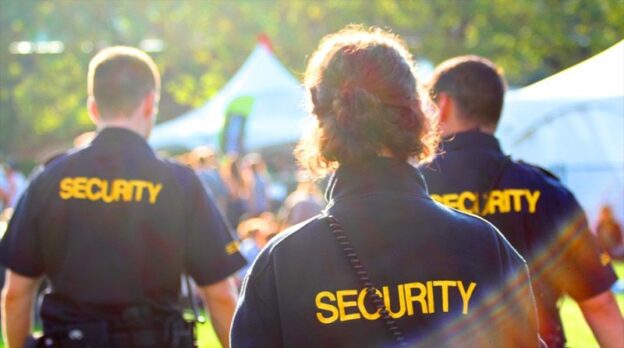
Events bring people together — from corporate conferences and product launches to festivals, concerts, sporting fixtures and private celebrations. While the purpose of an event is enjoyment, networking or entertainment, its success depends heavily on one critical factor: safety.
This is where event security guards play a vital role. Their presence ensures events run smoothly, risks are managed effectively, and attendees feel safe from the moment they arrive to the moment they leave.
In this blog, we explore the importance of professional event security guards, the risks they mitigate, how they operate across different event types, and why experienced, licensed personnel remain essential despite advances in technology.
For a detailed overview of professional event security services, visit:
https://www.alltimesecurity.co.uk/services/event-security.html
Why Event Security Guards Are Essential
Every event — regardless of size — presents a unique set of security challenges. Crowds gather, emotions run high, alcohol may be present, and unfamiliar environments can create uncertainty. Without effective security planning and trained personnel, small issues can escalate rapidly.
Event security guards are responsible for preventing incidents before they occur and responding decisively when they do. Their role is not simply reactive but proactive, focused on risk awareness, crowd behaviour, and clear communication.
Professional event security helps to:
-
Protect attendees, staff, performers and organisers
-
Prevent unauthorised access and ticket fraud
-
Manage crowd flow and density
-
Respond to emergencies quickly and calmly
-
Safeguard equipment, staging and property
-
Ensure compliance with licensing and safety regulations
In the UK, many events are legally required to demonstrate adequate security provision as part of licensing agreements with local authorities.
Understanding the Risks at Events
No two events are the same, but common risks often include:
Crowd-Related Risks
Large gatherings increase the risk of overcrowding, crushing, slips, trips and falls. Poor crowd control can result in panic or dangerous movement patterns.
Access Control Issues
Unauthorised entry, fake tickets, tailgating and restricted-area breaches are common concerns, particularly at public events.
Anti-Social Behaviour
Alcohol, long queues, frustration or conflict between attendees can lead to aggressive behaviour if not managed early.
Theft and Property Damage
Events often involve expensive equipment, temporary structures and high footfall — creating opportunities for theft or vandalism.
Emergency Situations
Medical incidents, fire alarms, severe weather or evacuations require trained personnel who can respond quickly and coordinate safely.
Event security guards are trained specifically to identify and mitigate these risks through observation, communication and controlled intervention.
What Do Event Security Guards Do?
Event security guards perform a wide range of duties before, during and after an event. Their responsibilities extend far beyond simply “standing watch.”
Pre-Event Preparation and Risk Assessment
Effective event security begins well before the first guest arrives. Security teams support organisers with:
-
Site risk assessments
-
Crowd flow planning
-
Emergency response planning
-
Vulnerability identification
-
Security staffing plans
This proactive approach aligns with guidance from organisations such as the UK Health and Safety Executive (HSE):
https://www.hse.gov.uk/event-safety/
Access Control and Entry Management
One of the most visible roles of event security guards is managing entry points. This includes checking tickets or passes, verifying credentials, and ensuring restricted areas remain secure.
Well-managed access control prevents overcrowding, unauthorised entry and confusion — all while maintaining a calm, welcoming atmosphere.
This role often overlaps with concierge-style security at premium or corporate events:
https://www.alltimesecurity.co.uk/services/concierge-security.html
Crowd Management and Behaviour Monitoring
Crowd safety is one of the most critical aspects of event security. Guards are trained to read crowd behaviour, identify potential flashpoints and intervene early.
They help manage:
-
Queue systems
-
High-traffic areas
-
Stage fronts or performance zones
-
Entry and exit points
By maintaining visibility and engagement, event security guards reduce the likelihood of disorder while reassuring attendees.
Conflict De-Escalation
When disagreements or aggressive behaviour arise, trained event security guards use verbal communication and de-escalation techniques to resolve situations peacefully wherever possible.
This skill is particularly important in environments where alcohol is served, such as festivals, concerts or hospitality events.
Emergency Response and Incident Management
If an incident does occur — whether medical, fire-related or security-based — event security guards are often the first responders.
They follow established protocols, communicate with emergency services and help coordinate evacuations or medical assistance when required. Clear reporting ensures incidents are documented and reviewed for future improvement.
Types of Events That Require Professional Security
Event security guards are used across a wide range of environments, each with unique challenges and requirements.
Corporate Events and Conferences
Corporate events often involve high-profile attendees, sensitive information and valuable equipment. Security guards help manage access, protect assets and maintain professional standards throughout the event.
Festivals, Concerts and Live Music Events
Large crowds, outdoor environments and heightened emotions increase the need for visible, trained security personnel. Crowd control, alcohol management and emergency readiness are essential.
Sporting Events
Sporting venues present unique crowd dynamics, including rival supporters and emotional intensity. Event security guards help maintain order and ensure spectator safety.
Private Events and Celebrations
Weddings, private parties and VIP gatherings still benefit from professional security, particularly when venues are unfamiliar or guest numbers are high.
Community and Public Events
Local fairs, markets and cultural celebrations often involve families, vulnerable individuals and temporary infrastructure. Security guards help ensure safety without creating an intimidating presence.
The Importance of SIA Licensing and Training
In the UK, event security guards must be licensed by the Security Industry Authority (SIA) where required by law. Licensing ensures guards meet strict standards relating to training, conduct and suitability.
Training typically covers:
-
Crowd management
-
Conflict resolution
-
Emergency procedures
-
Legal responsibilities
-
Customer interaction
-
Health and safety awareness
More information on SIA licensing can be found here:
https://www.gov.uk/guidance/apply-for-an-sia-licence
Balancing Security with Customer Experience
One of the biggest misconceptions about event security is that it detracts from enjoyment. In reality, professional event security guards enhance the overall experience by creating a safe, well-organised environment.
Effective guards are approachable, calm and communicative. Their presence reassures attendees while allowing them to focus on the event itself. This balance is especially important at high-end, corporate or family-friendly events.
Integrating Event Security with Other Security Services
Event security is most effective when integrated into a broader security strategy. This may include:
-
Manned guarding
-
CCTV monitoring
-
Mobile patrols
-
Keyholding and alarm response
-
Temporary access control systems
These services work together to provide layered protection before, during and after events.
Learn more about professional manned guarding:
https://www.alltimesecurity.co.uk/services/security-guards.html
Technology and Event Security
While technology such as CCTV, access scanners and communication systems play an important role, they are most effective when paired with trained professionals.
Technology can monitor and record, but people interpret, respond and reassure. Event security guards act as the bridge between digital systems and real-world situations, ensuring technology supports — rather than replaces — human judgement.
Legal and Compliance Considerations
Event organisers have a legal duty of care to protect attendees. Failure to provide adequate security can result in:
-
Event cancellation
-
Licensing issues
-
Legal liability
-
Reputational damage
Professional event security guards help organisers meet these obligations by adhering to recognised standards and best practices.
Guidance from local authorities and safety advisory groups often requires documented security plans, which experienced providers help develop and implement.
Why Planning Matters as Much as Presence
Event security is not just about the number of guards on the ground. It’s about:
-
Proper staffing levels
-
Clear communication channels
-
Defined roles and responsibilities
-
Coordination with organisers and emergency services
-
Continuous monitoring and adaptability
Well-planned security allows events to remain flexible while maintaining control.
Conclusion: Event Security Guards Protect More Than Events
Event security guards do more than protect venues or manage crowds — they protect people, experiences and reputations. Their role is fundamental to the smooth delivery of events of all sizes, across all sectors.
By combining training, visibility, communication and professionalism, event security guards help ensure that events remain enjoyable, safe and memorable for the right reasons.
To learn more about professional event security services and how they support events across the UK, visit:
https://www.alltimesecurity.co.uk/services/event-security.html
